
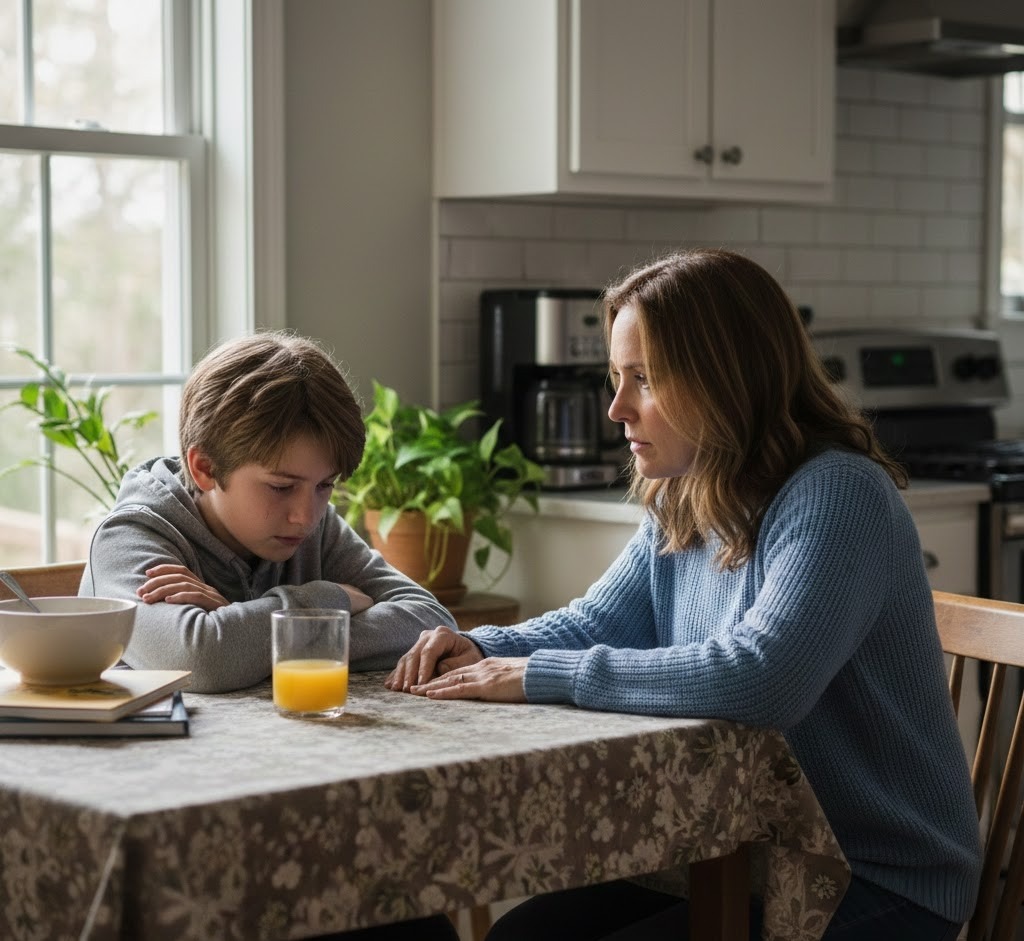

Children do not always have the words to explain emotional pain. Instead, stress and anxiety often appear through behavior changes, school struggles, or physical complaints like headaches or stomachaches. Many parents in Georgia question whether these changes are temporary or signs that professional support may be needed.
If symptoms last more than two weeks, interfere with learning, or affect relationships at home, it may be time to explore child mental health treatment in Georgia. Early care can improve mood, behavior, focus, and overall well-being.
The signs below help parents quickly recognize when emotional or behavioral patterns may require evaluation by a licensed psychiatric provider. Early action brings clarity, reassurance, and a clear path forward for your child and your family.
Why Early Support Matters
A child’s brain is still developing, and emotional stress can affect learning, friendships, and self-esteem. When concerns are addressed early, children tend to respond more quickly to treatment and experience fewer long-term effects.
According to the Centers for Disease Control and Prevention, many children in the United States experience mental health conditions each year. Early identification and structured treatment reduce risks and improve long-term outcomes.
10 Signs Your Child May Need Mental Health Treatment

Occasional mood changes are part of normal development, but persistent or intense symptoms deserve attention. The following signs may indicate your child would benefit from professional evaluation and support.
1. Persistent Sadness or Irritability
If your child appears sad, tearful, or unusually irritable most days for more than two weeks, this may signal depression. You may notice frequent crying, negative self-talk, or loss of interest in activities they once enjoyed.
2. Severe Mood Swings
Sudden emotional highs and lows that disrupt family life or school routines can reflect an underlying condition. Explosive anger, intense frustration, or dramatic behavior shifts should be evaluated when they occur repeatedly.
3. Withdrawal from Family and Friends
Children who begin isolating themselves or avoiding social activities may be experiencing internal distress. Loss of interest in friendships or excessive time alone can indicate anxiety or depressive symptoms.
4. Decline in School Performance
A noticeable drop in grades or increased complaints from teachers may reflect emotional or behavioral concerns. Anxiety, depression, or attention disorders can interfere with focus and motivation.
5. Excessive Anxiety or Fears
While occasional worry is normal, constant fear that interferes with sleep or school attendance is not. Frequent stomachaches before school, panic-like symptoms, or strong separation fears may require professional assessment. The National Institute of Mental Health identifies anxiety disorders as among the most common childhood mental health conditions.
6. Changes in Sleep or Appetite
Sudden changes in sleep patterns or appetite can signal emotional imbalance. Insomnia, oversleeping, nightmares, or significant changes in eating habits should not be ignored if they persist.
7. Aggressive or Defiant Behavior
Ongoing defiance that goes beyond typical childhood boundary testing may indicate a behavioral disorder. Frequent arguments, physical aggression, or destructive actions that disrupt daily life deserve evaluation.
8. Difficulty Concentrating
Trouble focusing, completing homework, or following instructions may point to attention-related challenges. When concentration problems consistently affect academic performance, further assessment is helpful.
9. Self-Harm Talk or Suicidal Thoughts
Any mention of self-harm or wanting to disappear must be taken seriously. Warning signs may include giving away belongings, writing goodbye notes, or sudden emotional withdrawal. The American Academy of Child and Adolescent Psychiatry recommends immediate professional support if these signs appear.
10. Trauma-Related Symptoms
Children who experience bullying, accidents, or major life stress may develop trauma-related symptoms. Flashbacks, avoidance behaviors, and sudden fear reactions can indicate the need for specialized care.
When to Seek Child Mental Health Treatment in Georgia

It can be hard to tell when behavior is part of normal development and when it signals a deeper concern. If emotional or behavioral changes last more than two weeks or begin affecting daily functioning, it may be time to consider child mental health treatment in Georgia. Early evaluation provides clarity and prevents symptoms from becoming more severe.
Seek Professional Support If You Notice:
- Ongoing sadness, irritability, or frequent emotional outbursts
- Sudden withdrawal from friends, family, or activities
- A clear drop in school performance or concentration
- Excessive worry, panic symptoms, or school refusal
- Changes in sleep patterns or appetite
- Aggressive, defiant, or destructive behavior
- Talk of self-harm or hopelessness
If symptoms interfere with learning, relationships, or daily routines, professional assessment is recommended. Early treatment often leads to faster improvement and stronger long-term outcomes.
Urgent Warning Signs
Some behaviors require immediate attention. Do not wait if you observe:
- Statements about wanting to disappear or die
- Self-harm behaviors or threats
- Severe aggression that risks safety
- Extreme emotional distress that does not calm
In urgent situations, immediate professional or emergency support is necessary. Quick action can protect your child’s safety and well-being.
Decision Guide for Parents
| Situation | What It May Mean | Recommended Action |
| Symptoms lasting over 2 weeks | Possible anxiety, depression, or mood disorder | Schedule psychiatric evaluation |
| School performance declining | Emotional or attention concerns | Request professional assessment |
| Behavior becoming unsafe | Risk of harm to self or others | Seek urgent psychiatric support |
| Mild but persistent worries | Early anxiety signs | Monitor and consult provider if worsening |
Trust your instincts as a parent. If something feels different or concerning, seeking child mental health treatment in Georgia offers reassurance, structured care, and a path toward stability. Early intervention supports emotional growth and helps children regain confidence at home and school.
Types of Child Mental Health Treatment
Treatment plans are individualized based on age, diagnosis, and symptom severity. Care often follows clinical standards outlined in the Diagnostic and Statistical Manual of Mental Disorders to ensure accurate diagnosis and safe treatment planning.
| Treatment Type | Purpose | When It’s Used |
| Psychiatric Evaluation | Identify underlying condition | First step in care |
| Therapy | Build coping skills | Anxiety, depression, trauma |
| Medication Management | Stabilize symptoms | Moderate to severe symptoms |
| Family Guidance | Strengthen communication | Behavioral challenges |
Common Symptom Categories
Understanding how symptoms present can help parents recognize patterns. Emotional, behavioral, and physical changes often overlap and should be considered together.
Emotional signs may include:
- Ongoing sadness
- Persistent fear
- Mood instability
Behavioral signs may include:
- Aggression
- Withdrawal
- Defiance
Physical signs may include:
- Sleep disruption
- Appetite changes
- Frequent unexplained aches
How MD Psych Clinic Supports Children and Families Across Georgia
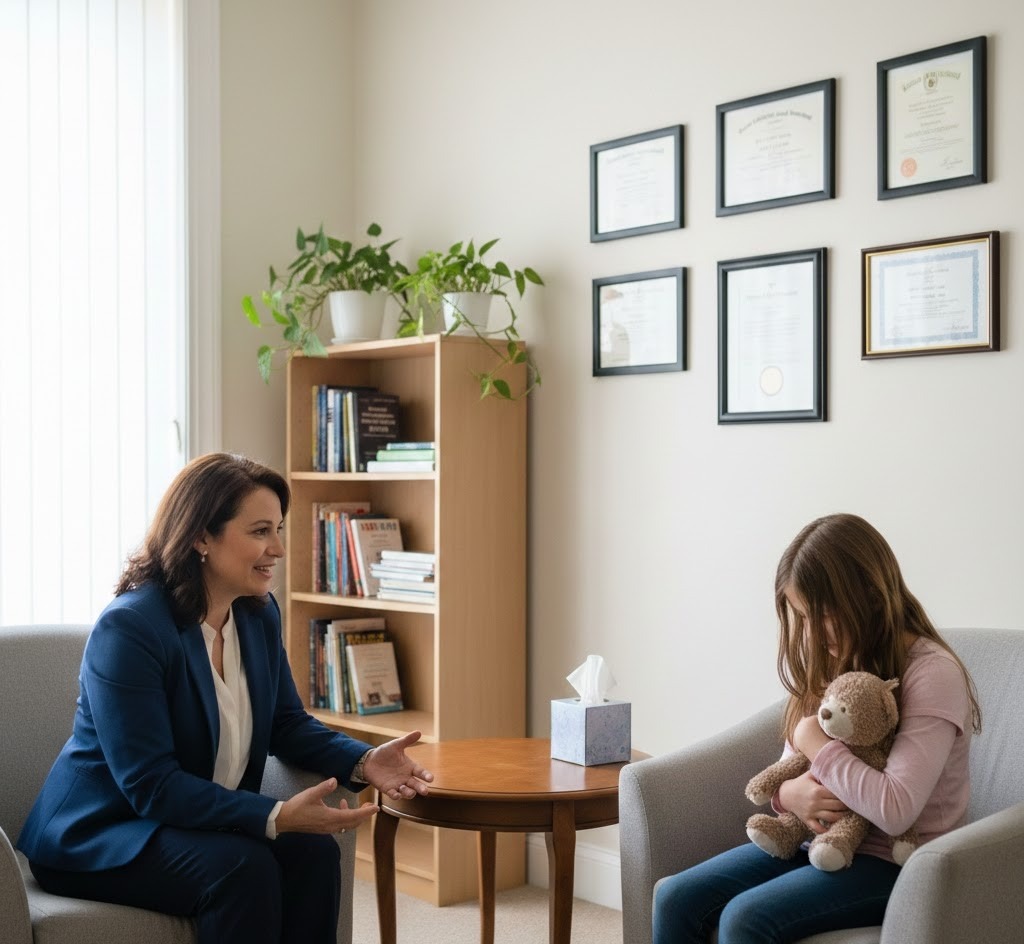
At MD Psychiatry Clinic, care is compassionate, structured, and evidence-based. We support families seeking child mental health treatment in Georgia with a calm and reassuring approach.
We serve patients across Georgia, including Alpharetta and surrounding communities near North Point Mall and Avalon. Our location offers convenient access from GA, making follow-up care easier for busy families.
Our Approach to Child Mental Health Treatment in Georgia
We provide:
- Comprehensive psychiatric evaluations for children and adolescents
- Medication management tailored to your child’s specific needs
- Careful monitoring for side effects and symptom progress
- Collaboration with therapists and school professionals when appropriate
- Secure telepsychiatry appointments available statewide
We follow guidelines from leading organizations such as the American Academy of Child and Adolescent Psychiatry to ensure safe and effective care. Our focus is on measurable improvement, emotional stability, and long-term success at home and school.
Ready to Start Child Mental Health Treatment in Georgia?
If ongoing emotional or behavioral changes are affecting your child’s focus, relationships, or daily functioning, professional support is available. Early evaluation provides clarity and helps families move forward with confidence.
You can schedule an appointment to connect with a licensed psychiatric provider and select a time that works for your family. If you have questions about treatment options, medication management, or virtual visits, our team is available to guide you.
📞 Call: 770-680-2302
📧 Email: hello@mdpsychclinic.com
Hours:
Monday–Friday, 8:00 AM – 5:00 PM
Location:
3235 North Point Parkway, Suite 203
Alpharetta, GA 30005
The office is conveniently located near North Point Mall and easily accessible from GA-400. Both in-person and secure virtual appointments are available for families across Georgia.
Frequently Asked Questions
1. How do I talk to my child about seeing a psychiatrist?
Start with calm and simple language. Let your child know that everyone needs help sometimes and that mental health care is similar to seeing a doctor for physical health. Reassure them that the goal of child mental health treatment in Georgia is to help them feel better, not to punish or label them.
2. Will my child automatically be prescribed medication?
No. Medication is not always the first step and is only recommended when clinically appropriate. A psychiatric evaluation helps determine whether therapy, behavioral strategies, lifestyle adjustments, or medication would be most helpful for your child’s specific needs.
3. How long does child mental health treatment usually last?
The length of treatment depends on the diagnosis, symptom severity, and how early support begins. Some children improve within a few months, while others benefit from longer-term monitoring and structured follow-up care to maintain stability.
4. Can mental health challenges affect my child’s future success?
Untreated mental health concerns can impact academic performance, confidence, and social development. With early intervention and consistent support, most children build strong coping skills and go on to thrive in school, relationships, and adulthood.
5. What if my child refuses to attend appointments?
Resistance is common, especially in older children and teens. Providers trained in child mental health treatment in Georgia use age-appropriate communication to build trust and comfort. Parents can support the process by staying calm, validating concerns, and explaining that care is meant to help them feel better.