
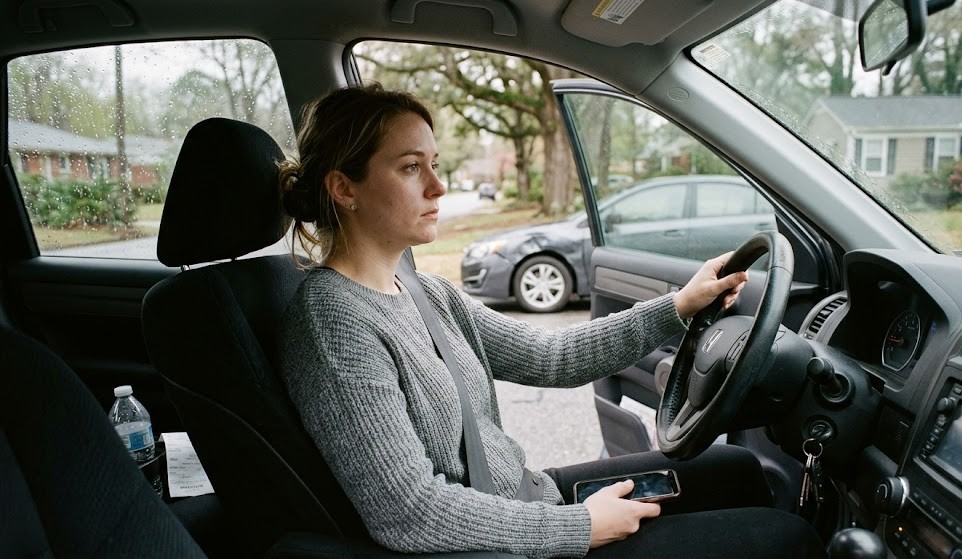

A car accident can change your life in seconds. Even after physical injuries heal, emotional pain may stay longer. Many people feel fear, anxiety, or distress weeks or months after the event.
These reactions are not a sign of weakness. They are your mind’s natural response to a traumatic experience. With the right support, recovery is possible, and you do not have to go through it alone.
Understanding Trauma After a Car Accident
Trauma after an accident affects both the mind and body. It can appear suddenly or develop over time. Some people feel overwhelmed right away, while others notice symptoms weeks later.
Common emotional and physical responses include:
- Sudden anxiety or panic
- Flashbacks of the accident
- Trouble sleeping or nightmares
- Avoiding driving or certain roads
- Feeling constantly on edge
In some cases, trauma may develop into conditions like Post-Traumatic Stress Disorder or depression. Early support can reduce long-term impact and improve recovery.
What Does a Trauma Psychiatrist in Georgia Do?

A trauma psychiatrist focuses on diagnosing and treating emotional distress caused by difficult events. After a car accident, they help you understand your symptoms and create a clear treatment plan.
Their role includes:
| Area | How They Help |
| Diagnosis | Identify trauma-related conditions using clinical guidelines |
| Medication | Prescribe medication when needed to manage symptoms |
| Therapy Support | Recommend or combine therapy approaches |
| Monitoring | Track progress and adjust treatment over time |
Psychiatrists often use guidelines like the DSM-5 to ensure accurate diagnosis and care.
Signs You Should See a Trauma Psychiatrist
Not everyone needs immediate psychiatric care, but some signs should not be ignored. If symptoms begin affecting your daily life, it may be time to seek help.
Watch for:
- Ongoing anxiety or panic attacks
- Difficulty concentrating at work
- Avoiding driving or leaving home
- Persistent sadness or emotional numbness
- Sleep problems or fatigue
If these symptoms last more than a few weeks, professional support can make a meaningful difference. Many people recognize these patterns when reviewing signs to see psychiatrist.
How Psychiatric Treatment Helps After an Accident

Treatment is tailored to your needs. A psychiatrist focuses on both symptom relief and long-term recovery.
Common approaches include:
Therapy Options
- Cognitive Behavioral Therapy (CBT) to change negative thought patterns
- Trauma-focused therapy to process the event safely
- EMDR therapy to reduce emotional intensity of memories
Medication Support
- Antidepressants to improve mood stability
- Anti-anxiety medication for panic or stress
- Sleep aids for insomnia
Many patients benefit from a combination of therapy and medication. Understanding how a psychiatrist treats PTSD can help you feel more prepared.
What to Expect in Your First Visit
Your first appointment is focused on understanding your experience. The goal is to create a safe and supportive environment.
During the visit, you can expect:
- A discussion about the accident and your symptoms
- Questions about sleep, mood, and daily life
- A personalized treatment plan
- Clear next steps for care
If travel or scheduling is difficult, many patients choose online anxiety care for convenience and privacy.
Benefits of Early Mental Health Support
Getting help early can prevent symptoms from becoming more severe. It also helps you regain control of your daily life faster.
Key benefits include:
- Reduced anxiety and emotional distress
- Better sleep and improved focus
- Increased confidence in driving again
- Lower risk of long-term mental health conditions
For some individuals, trauma may also affect sleep patterns. Addressing this through proper sleep treatment support can improve overall recovery.
How to Choose the Right Trauma Psychiatrist in Georgia

Choosing the right provider is an important step. Look for someone experienced in trauma care and easy to communicate with.
Consider these factors:
- Experience treating accident-related trauma
- Availability of both therapy and medication management
- Flexible appointment options, including telehealth
- Clear communication and supportive approach
If symptoms also include low mood or loss of interest, reviewing when to seek help for depression care timing can guide your decision.
How MD Psych Clinic Supports Adults Across Georgia
MD Psychiatry Clinic provides compassionate, personalized care for adults dealing with trauma after car accidents. The focus is on helping you feel safe, supported, and in control again.
Located near Avalon and North Point Mall in Alpharetta, the clinic serves patients across Georgia with both in-person and virtual care options.
What you can expect:
- Personalized treatment plans based on your needs
- Experienced trauma psychiatrists
- Combined therapy and medication approach
- Convenient telehealth services
- Insurance-friendly care options
Contact Information:
MD Psychiatry Clinic
📞 Call: 770-680-2302
📧 Email: hello@mdpsychclinic.com
🕒 Hours: Monday–Friday, 8:00 AM – 5:00 PM
📍 Location: 3235 North Point Parkway, Suite 203, Alpharetta, GA 30005
If you are ready to take the next step, you can begin through the clinic’s mental health services or schedule care using their simple online system.
FAQs About Trauma Psychiatrist Georgia
Can a psychiatrist diagnose PTSD after a car accident?
Yes. A psychiatrist can assess symptoms and diagnose PTSD using established clinical criteria.
How soon should I seek help after an accident?
If symptoms last more than two weeks or worsen, it is a good time to seek professional support.
Will I need medication?
Not always. Some people improve with therapy alone, while others benefit from medication support.
Is trauma recovery possible?
Yes. With the right treatment, most people experience significant improvement and regain a sense of normalcy.