


For many adults, the question builds over time. Social situations may feel confusing. Sensory overload, burnout, and routine changes may feel harder than they seem for others.
An autism evaluation can bring clarity. For adults who want a private and flexible option, adult autism diagnosis online can be a practical next step. It can make care easier to access and less stressful to begin.
Understanding Autism in Adults
Autism spectrum disorder is a neurodevelopmental condition. It can affect communication, behavior, sensory processing, and daily life. Many people begin noticing signs of autism in adults later in life.
Autism can look different from one adult to another. Some people seem quiet or reserved. Others appear highly capable but feel drained by social demands, sensory input, or sudden change.
Many adults have masked their struggles for years. They may have worked hard to fit in without knowing why daily life felt so exhausting.
Common signs of autism in adults may include:
- Difficulty reading social cues
- Feeling exhausted after conversations or group settings
- Strong need for routines
- Intense focus on specific interests
- Sensory sensitivity to light, sound, touch, or crowds
- Distress when plans change
- Feeling misunderstood at work or in relationships
These signs do not always mean autism. A careful evaluation helps sort out what is going on and what support may help.
Why More Adults Are Seeking Answers Later in Life

Many adults are diagnosed later because the signs were missed in childhood. Some were labeled shy, anxious, or overly sensitive. Others were treated for depression, anxiety, or attention problems first.
Life changes often bring long-standing patterns into focus. Burnout, parenthood, work stress, or relationship struggles can make those patterns harder to ignore.
That is often when people start wondering when to seek help for challenges they have carried for years.
Adults often seek an evaluation because they want:
- A better understanding of themselves
- Clear answers about lifelong struggles
- Support for work or school needs
- Help with burnout, anxiety, or sensory stress
- Better communication and relationship tools
For many people, diagnosis is not about labels. It is about relief, validation, and direction.
What Adult Autism Diagnosis Online Means
Adult autism diagnosis online means completing an autism evaluation through secure telehealth visits. You meet with a qualified clinician from home or another private space.
This can be part of broader mental health care when autism traits overlap with anxiety, mood symptoms, or attention concerns.
Online evaluations may include interviews, questionnaires, symptom review, developmental history, and clinical observation. These are core parts of many in-person evaluations too.
This option can be helpful for adults who:
- Feel stressed by travel or waiting rooms
- Prefer the comfort of home
- Have busy work or caregiving schedules
- Live far from specialists
- Want a more private option
For many adults, virtual care removes a major barrier. It makes it easier to start the process.
Can Autism Be Diagnosed Online for Adults?
Yes, in many cases it can. The process must be careful, structured, and done by a qualified clinician.
For many adults, starting with an online psychiatry visit feels easier than going into an unfamiliar office.
A proper diagnosis is not based on one symptom or one checklist. A clinician looks at long-term patterns in communication, behavior, sensory experience, relationships, and daily functioning.
They also consider whether anxiety, ADHD, depression, or another condition may explain some of the symptoms.
Online diagnosis may be a good fit when:
- The adult can describe current concerns clearly
- Childhood or developmental history is available
- Structured tools can be used when needed
- The provider has experience with adult autism
Sometimes a clinician may suggest in-person testing or added evaluation. That is a sign of good clinical care, not a weakness in telehealth.
Why Online Assessment Feels Easier for Many Adults

Getting evaluated can feel emotional. Many adults worry they will not explain themselves well. Others worry they will not be believed.
A virtual setting often lowers that pressure. Being at home can reduce sensory stress and help people speak more openly.
Adults may prefer online care because it offers:
- More privacy
- Less travel stress
- Easier scheduling
- Lower sensory overload
- Better access to specialists
- A familiar setting during the visit
This can be especially helpful for adults who also struggle with worry or panic. In those cases, telepsychiatry for anxiety may also support the broader treatment plan.
How the Online Autism Evaluation Process Usually Works
Most online autism evaluations follow a clear process. The exact steps can vary, but the overall structure is often similar.
Knowing what to expect can make the process feel less overwhelming.
Initial Consultation
The first visit usually focuses on your concerns. You may talk about social struggles, burnout, sensory issues, routines, or patterns that have been present for years.
This helps the clinician understand why you are seeking answers now. It also helps them plan the next steps.
Clinical Interview
A detailed interview is a key part of the process. The clinician may ask about communication, relationships, daily stress, work demands, and how you handle change.
They are looking for patterns, not perfect answers. Real-life examples are often the most helpful.
Screening Tools and Questionnaires
Clinicians may use structured forms or rating scales. These can help identify patterns related to autism, attention, emotional regulation, and sensory differences.
These tools do not diagnose autism on their own. They support the larger clinical picture.
Developmental History Review
Autism begins early in life, even when it is not recognized until adulthood. That is why childhood history still matters.
A provider may ask about school years, friendships, routines, communication, and long-term behavior patterns. Input from a parent, sibling, partner, or other trusted person may also help.
Diagnostic Feedback and Recommendations
At the end of the process, the clinician explains the findings. They also answer questions and discuss next steps.
If autism is diagnosed, you may receive treatment recommendations, support options, or a written report. For many adults, this part feels validating and relieving.
What Clinicians Look For During Assessment

Autism in adults is based on patterns across daily life. A diagnosis does not depend on one trait alone.
The clinician looks at how these patterns appear over time. They also look at how much they affect work, relationships, and emotional well-being.
| Area | What It May Involve |
| Social communication | Trouble with back-and-forth conversation, tone, or unspoken social rules |
| Relationships | Confusion in friendships, dating, family life, or work interactions |
| Routines and flexibility | Distress with change or strong need for predictability |
| Repetitive patterns | Repeated movements, phrases, or very focused interests |
| Sensory experiences | Overwhelm from noise, light, textures, or crowds |
| Daily impact | Problems at work, home, school, or in emotional health |
A good evaluation also considers other mental health conditions. That helps make the diagnosis more accurate.
How Autism, ADHD, and Anxiety Can Show Up in Similar Ways
Many adults exploring autism also wonder about ADHD or anxiety. These conditions can overlap in ways that make the picture less clear.
An autistic adult may avoid social situations because they feel confusing or overstimulating. A person with anxiety may avoid them because of fear. Someone with ADHD may struggle because of impulsivity or poor focus.
Some adults have more than one condition at the same time. That is why a full assessment matters.
When attention problems affect routines, focus, and work, support around ADHD care may also be an important part of treatment.
Online vs In-Person Autism Diagnosis
Both online and in-person evaluations can be effective. The right choice depends on your needs, comfort level, and the clinician’s process.
| Factor | Online Evaluation | In-Person Evaluation |
| Convenience | High | Moderate |
| Travel required | No | Yes |
| Sensory stress | Often lower | May be higher |
| Access to specialists | Often wider | May depend on location |
| Scheduling flexibility | Usually easier | Sometimes more limited |
| Best for complex physical testing | Limited | Better fit |
For many adults, online care offers a strong balance of comfort and access. It can be a good option for people who have delayed evaluation because the process felt too stressful.
How to Prepare for an Online Autism Assessment
You do not need to prepare perfectly. It simply helps to think through your experiences before the appointment.
That can make it easier to describe your concerns clearly.
Helpful ways to prepare include:
- Write down your main challenges
- Think about patterns from childhood
- Note sensory issues or routine struggles
- Gather past mental health records if available
- Ask a family member about early behavior if appropriate
- Choose a quiet, private space
- Test your internet, camera, and audio
Examples from work, school, friendships, or home life can be very helpful. Real situations often explain more than general statements.
What Happens After an Autism Diagnosis

A diagnosis can bring relief, grief, validation, or hope. All of those reactions are valid.
For many adults, the biggest change is finally understanding themselves with more clarity and less self-blame.
Next steps may include:
- Individual therapy
- Anxiety treatment
- ADHD evaluation if needed
- Communication support
- Work or school accommodations
- Sensory regulation strategies
- Burnout prevention planning
For adults dealing with emotional stress or long-standing mental health concerns, psychiatric support may help improve daily functioning beyond diagnosis alone.
Why Provider Experience Matters
Adult autism can be missed when a provider relies on outdated ideas. Many adults do not match old stereotypes.
This is especially true for adults who mask well, perform well at work, or have overlapping anxiety and ADHD symptoms.
A clinician with adult autism experience is more likely to notice the full pattern. They can offer clearer answers and more useful next steps.
That is why working with someone who understands autism support in adults can make such a difference.
How MD Psych Clinic Supports Adults Across Georgia
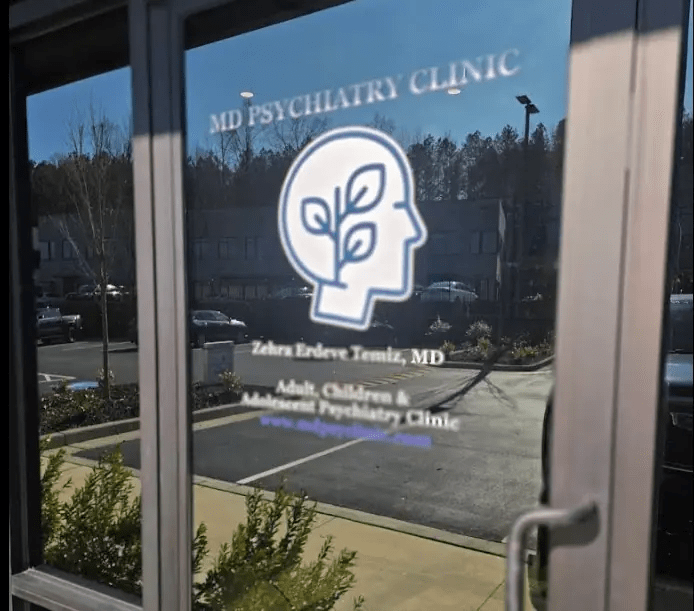
At MD Psychiatry Clinic, care is compassionate, respectful, and evidence-based. We support adults across Georgia, including Alpharetta and nearby communities near North Point Mall and Avalon, with care that is designed to feel clear, practical, and manageable.
We provide:
- Comprehensive psychiatric evaluations
- Careful assessment for adult autism concerns
- Medication management tailored to your needs when appropriate
- Monitoring for progress and side effects
- Referrals for therapy or additional support when appropriate
- Telepsychiatry appointments statewide
We follow guidance from leading clinical organizations. We focus on accurate diagnosis, measurable improvement, and long-term stability.
If lifelong social challenges, sensory issues, burnout, or feeling different from others are affecting your work, relationships, or daily life, professional support is available.
You can schedule an appointment to connect with a licensed psychiatric provider and choose a time that works for you. If you have questions about adult autism diagnosis online, treatment options, or virtual visits, the team is available to guide you.
📞 Call: 770-680-2302
📧 Email: hello@mdpsychclinic.com
Hours:
Monday–Friday, 8:00 AM – 5:00 PM
Location:
3235 North Point Parkway, Suite 203
Alpharetta, GA 30005
The office is conveniently located near North Point Mall and easily accessible from GA-400. Both in-person and secure virtual appointments are available for patients across Georgia.
FAQs
Is an online autism diagnosis valid?
Yes, it can be. The key is whether the evaluation is done by a qualified clinician using a proper process.
What if I have learned to hide my symptoms?
That is common. Many adults have masked their traits for years in order to fit in or avoid being misunderstood.
An experienced provider will look beyond first impressions.
What if I am not autistic?
That can still be helpful. A careful evaluation may point to anxiety, ADHD, depression, or another issue that better explains your concerns.
Will diagnosis actually help?
For many adults, yes. It can support self-understanding, treatment planning, work accommodations, and a healthier view of past struggles.