


A panic attack can feel overwhelming and frightening. Your heart races, your chest tightens, and it may feel like something is seriously wrong. Many adults in Georgia experience these episodes without fully understanding what is happening or how to manage them.
The good news is that panic attacks are treatable. With the right support, you can regain control, reduce symptoms, and feel safe in your body again. Understanding when to seek help and what kind of care works best can make a meaningful difference in recovery.
Understanding Panic Attacks
What is a Panic Attack?
A panic attack is a sudden surge of intense fear or discomfort that peaks within minutes. It often occurs without warning and can feel similar to a medical emergency.
Common symptoms include:
- Rapid heartbeat
- Shortness of breath
- Chest pain or tightness
- Dizziness or lightheadedness
- Fear of losing control or dying
These symptoms are real and distressing, even though they are not physically dangerous.
Panic Attack vs Panic Disorder
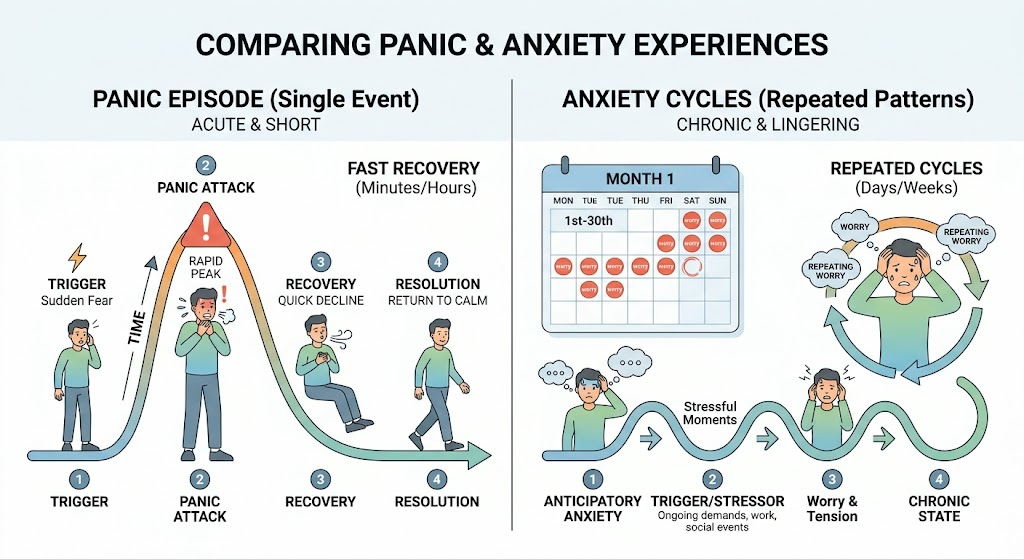
A single panic attack may happen during stress or exhaustion. Panic disorder is different and involves repeated attacks along with ongoing fear of future episodes.
| Feature | Panic Attack | Panic Disorder |
| Frequency | Occasional | Recurrent |
| Fear Between Episodes | Minimal | Persistent worry |
| Impact on Life | Temporary | Disruptive |
| Need for Treatment | Sometimes | Usually necessary |
Causes and Risk Factors
Panic attacks do not have a single cause. They often develop from a mix of biological, emotional, and environmental factors.
Common contributing factors:
- High stress or major life changes
- Past trauma or unresolved emotional experiences
- Family history of anxiety disorders
- Sleep problems or chronic fatigue
There is also a strong connection between anxiety disorders and OCD. Many adults experience overlapping symptoms, which makes personalized care essential.
Evidence-Based Panic Attack Treatments
Effective treatment focuses on both the mind and body. Most people benefit from a combination of therapy, lifestyle support, and sometimes medication.
Therapy (First-Line Treatment)
Cognitive Behavioral Therapy (CBT) helps you understand how thoughts influence anxiety. It teaches practical skills to manage panic symptoms.
Key benefits include:
- Identifying triggers
- Changing unhelpful thinking patterns
- Reducing fear response over time
Medication Options
Medication may be recommended when symptoms are frequent or severe.
Common options include:
- SSRIs – Help regulate mood and anxiety
- SNRIs – Support emotional balance
- Short-term medications – Used carefully for acute symptoms
Medication is most effective when combined with therapy and guided by a psychiatrist.
Lifestyle and Support Strategies
Small daily changes can support recovery and reduce panic intensity.
- Regular sleep schedule
- Breathing exercises
- Reduced caffeine intake
- Consistent physical activity
Adults dealing with sleep-related anxiety may benefit from structured care available through a sleep anxiety support program.
The Role of Personalized OCD Therapy for Adults

Many adults with panic attacks also experience intrusive thoughts or repetitive behaviors. This overlap is common in OCD and anxiety disorders.
Why OCD and Panic Attacks Often Co-Occur
Both conditions involve heightened fear responses and difficulty managing uncertainty. This can lead to cycles of anxiety that feel hard to break.
Exposure and Response Prevention (ERP)
ERP is a highly effective therapy for OCD. It helps reduce fear by gradually facing triggers while resisting compulsive behaviors.
Benefits include:
- Reduced anxiety over time
- Improved emotional control
- Long-term symptom relief
Adults seeking structured care can benefit from tailored programs in OCD treatment services.
Personalized Treatment Plans
Every individual experiences anxiety differently. Personalized OCD therapy for adults focuses on:
- Specific triggers and patterns
- Co-occurring conditions like panic disorder
- Individual goals and lifestyle
This approach improves outcomes and supports lasting recovery.
When to See a Psychiatrist in Georgia
Knowing when to seek professional help is an important step. Panic attacks should not be ignored if they begin affecting your daily life.
Warning Signs You Should Not Ignore
- Panic attacks happen frequently
- Fear of having another attack limits activities
- Symptoms interfere with work or relationships
- You avoid certain places or situations
Frequency and Severity Indicators
If panic attacks occur weekly or increase in intensity, professional evaluation is recommended. Early care can prevent symptoms from becoming more severe.
When Therapy Alone Isn’t Enough
Some individuals need additional support beyond therapy. A psychiatrist can assess whether medication or combined treatment is appropriate.
If you are unsure, reviewing signs to see a psychiatrist can help guide your decision.
Diagnosis and Evaluation Process
A clear diagnosis helps create an effective treatment plan. Psychiatrists use structured evaluations to understand your symptoms.
What to Expect During Assessment
- Discussion of symptoms and triggers
- Medical history review
- Screening for anxiety, OCD, or depression
Ruling Out Medical Conditions
Some physical conditions can mimic panic symptoms. Your provider may recommend basic medical checks to ensure accurate diagnosis.
Co-Occurring Conditions
Panic attacks often appear alongside other conditions such as:
- OCD
- Depression
- PTSD
Integrated care can address multiple conditions at once, including support available through PTSD treatment approaches.
Treatment Options Available in Georgia

Mental health care in Georgia offers flexible and accessible options for adults.
Common Treatment Settings
- Outpatient therapy clinics
- Psychiatric medication management
- Telehealth services
Many adults prefer remote care for convenience. Access to online anxiety care allows support from home without disrupting daily routines.
Booking Your First Appointment
Starting treatment can feel overwhelming, but the process is often simple and supportive. Scheduling can be done easily through an online appointment process.
How to Choose the Right Psychiatrist

Choosing the right provider can improve both comfort and outcomes. Working with a trusted mental health provider like MD Psychclinic ensures you receive personalized, evidence-based care tailored to your specific needs.
What to Look For
- Board-certified psychiatric care
- Experience with anxiety and OCD
- Personalized treatment approach
Questions to Consider
- Do they offer both therapy and medication management?
- Are treatment plans tailored to individual needs?
- Do they provide telehealth options?
A provider who understands the connection between panic attacks and OCD can offer more comprehensive care.
FAQs
What triggers panic attacks?
Triggers can include stress, trauma, lack of sleep, or sudden emotional changes. Sometimes, panic attacks occur without a clear cause.
Can panic attacks go away without treatment?
Some may improve over time, but untreated panic attacks often return or worsen. Early treatment leads to better outcomes.
Is medication always necessary?
Not always. Many people improve with therapy alone, but medication can help when symptoms are severe or persistent.
How long does treatment take?
Progress varies, but many individuals notice improvement within a few months of consistent therapy and support.