


Depression can make life feel heavy, confusing, and exhausting. Many people across Georgia wonder whether recovery means feeling happy all the time or becoming a completely different person. In reality, recovery from depression is more gradual, realistic, and deeply personal.
Depression recovery is about feeling more like yourself again. It involves improved emotional balance, clearer thinking, and the ability to manage daily responsibilities with less stress and effort. Difficult emotions may still arise, but with appropriate mental health care in Georgia, depression no longer dominates your thoughts, energy, or day-to-day functioning.
Understanding Depression Recovery and What Healing Really Means

Depression recovery does not mean the absence of all sadness or stress. Everyone experiences difficult emotions from time to time. Recovery means that depression no longer controls your thoughts, behaviors, or ability to function. While stress and difficult emotions may still occur, they become manageable rather than overwhelming. This shift is a central goal of long-term depression recovery.
For many people, recovery looks like:
- Improved emotional balance
- Better daily functioning
- Reduced symptom intensity
- Increased resilience during stress
Most importantly, recovery allows people to participate in life again with more consistency and confidence.
Depression Recovery Is a Gradual, Step-by-Step Process
Depression recovery rarely happens overnight. Symptoms often ease in stages, and progress may feel subtle at first. Many patients notice functional improvements before emotional ones.
This process is normal and expected. Healing takes time, and gradual progress is still meaningful progress.
Common aspects of recovery include:
- Small improvements that build over time
- Periods of feeling better mixed with challenging days
- Ongoing adjustments to treatment
- Learning how to manage symptoms long-term
Understanding this timeline helps reduce frustration and self-blame.
Early Signs of Depression Recovery to Look For
Early recovery often begins quietly. You may not immediately feel “happy,” but daily life starts to feel more manageable.
Some early signs include:
- Sleeping more consistently
- Slightly improved energy levels
- Reduced mental fog
- Less emotional numbness
- Increased ability to complete daily tasks
These signs suggest that treatment is starting to work, even if emotional relief is still developing.
Emotional Changes During Recovery
As recovery continues, emotional experiences often shift. Emotions may feel unfamiliar at first, especially after long periods of emotional flatness or distress.
Common emotional changes include:
- Feeling emotions more clearly
- Reduced intensity of sadness or hopelessness
- Improved emotional regulation
- Increased ability to experience enjoyment
These changes usually happen gradually and become more noticeable over time.
Cognitive and Physical Improvements
Depression affects both the mind and body. Recovery often includes improvements in thinking, focus, and physical well-being.
Cognitive improvements may include:
- Clearer thinking
- Improved concentration
- Better memory
- Reduced negative thought loops
Physical improvements may include:
- More stable energy
- Less fatigue
- Improved appetite
- Better sleep quality
These changes support better performance at work, school, and home.
How Daily Life Improves With Recovery
[Image Placement]
Many people recognize recovery through changes in daily functioning rather than mood alone.
Examples include:
- Getting out of bed more easily
- Managing responsibilities with less effort
- Re-engaging in hobbies or interests
- Improved communication with others
- Greater emotional patience
These functional gains are strong indicators that depression is becoming more manageable.
Why Depression Recovery Is Not Linear and Why That’s Normal
Setbacks are a normal part of recovery. Stress, life changes, or health issues can temporarily increase symptoms even during effective treatment.
This does not mean recovery has failed.
Healthy recovery includes:
- Recognizing early warning signs
- Reaching out for support when needed
- Adjusting treatment appropriately
- Continuing care during challenging periods
Long-term stability comes from consistency, not perfection.
What Influences the Speed of Recovery?
There is no single timeline for depression recovery. Each person’s experience is unique.
Factors that influence recovery include:
- Severity and duration of symptoms
- Biological factors and brain chemistry
- Treatment consistency
- Support systems
- Life stressors
Some people notice improvement within weeks, while others benefit from longer-term treatment. Both paths are valid and effective.
Depression Recovery: What to Expect Over Time
The table below outlines common patterns people experience during different stages of depression recovery. This is not a strict timeline, but a general guide to help individuals understand how recovery from depression may unfold over time.
| Stage of Recovery | What It May Look Like |
| Early Treatment | Slight energy improvement, better sleep, reduced emotional numbness |
| Mid-Stage Recovery | Improved focus, less intense negative thoughts, better daily functioning |
| Ongoing Recovery | Emotional stability, improved coping skills, stronger stress tolerance |
| Maintenance Phase | Consistent symptom management, continued treatment support, relapse prevention |
Recovery looks different for everyone, but structured care helps guide progress at every stage.
Treatment and Depression Recovery
Effective depression recovery usually involves professional treatment tailored to individual needs. Evidence-based care focuses on both symptom relief and long-term stability.
Treatment may include:
- Psychiatric evaluation
- Medication management
- Ongoing symptom monitoring
- Lifestyle and behavioral guidance
When to Seek Professional Help
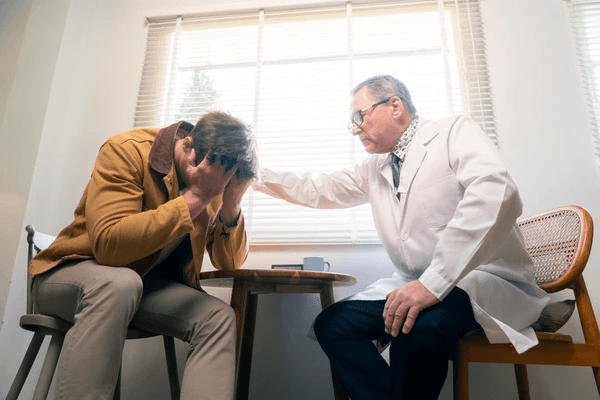
Depression should not be managed alone when symptoms interfere with daily life, safety, or relationships. Early intervention improves outcomes and reduces long-term impact.
Consider seeking professional care if you experience:
- Persistent sadness lasting more than two weeks
- Difficulty functioning at work or school
- Changes in sleep or appetite
- Loss of interest in daily activities
- Feelings of worthlessness or hopelessness
- Thoughts of self-harm
Reaching out for support is a positive and proactive step. Depression is a treatable condition, and structured care can lead to meaningful improvement in emotional well-being, productivity, and daily life.
If you are ready to take the next step, you can book a virtual appointment with a licensed psychiatrist to discuss personalized treatment options.
How MD Psychiatry Clinic Helps
MD Psychiatry Clinic provides structured, evidence-based care for individuals seeking lasting depression recovery through both online psychiatric services and in-person treatment across Georgia.
Ready to Get Started?
Depression doesn’t have to control your life. With the right support, recovery is possible and it often begins with a single conversation.
Book a virtual appointment to connect with a licensed psychiatrist and choose a time that fits your schedule. If you have questions or want to learn more about your options, our team is here to help.
📞 Call: 770-680-2302
📧 Email: hello@mdpsychclinic.com
Location: 3235 North Point Parkway, Suite 203
FAQs
1. How long does depression recovery usually take?
Depression recovery timelines vary from person to person. Some people notice improvement within a few weeks of treatment. Others may need longer-term care. Factors such as symptom severity, treatment consistency, and available support all affect how long recovery takes.
2. How do I schedule a virtual depression appointment?
Appointments can be requested online through MD Psychiatry Clinic. The process is simple, secure, and designed to reduce delays in receiving care.
3. Is online depression treatment confidential?
Yes. Virtual sessions are conducted on secure platforms that meet healthcare privacy standards, allowing patients to discuss concerns openly and safely.
4.How do I know if I should seek psychiatric care for depression?
If depressive symptoms interfere with daily functioning, relationships, work, or personal safety, seeking professional psychiatric care is recommended. Early intervention is associated with better long-term outcomes.
5.Is depression treatment covered by insurance in Georgia?
Many insurance plans in Georgia provide coverage for depression treatment, including telepsychiatry services. Coverage varies by plan, so it’s best to confirm benefits with your insurance provider or the clinic directly.