


Many adults spend years feeling different without understanding why. Social situations may feel exhausting. Certain routines may feel essential. Sensory experiences might feel overwhelming.
For some adults, these experiences are connected to autism spectrum disorder (ASD). Receiving a diagnosis later in life can bring clarity, relief, and access to meaningful support. Adults across Georgia are increasingly seeking professional evaluations. A qualified psychiatrist can help determine whether autism explains lifelong patterns and challenges.
Understanding how the diagnostic process works makes the journey less overwhelming. With the right guidance, finding autism diagnosis for adults near you can be straightforward and supportive.
Understanding Autism in Adults
Autism spectrum disorder is a neurodevelopmental condition that affects communication, behavior, and sensory processing. Autism exists on a spectrum. This means individuals may experience different strengths and challenges.
Many adults grew up before autism awareness improved. Because of this, some people were never evaluated during childhood.
Common experiences adults report include:
- Difficulty reading social cues
- Preference for routines and predictability
- Sensitivity to sounds, textures, or lights
- Deep focus on specific interests
- Feeling socially exhausted after interactions
These experiences alone do not confirm autism. A professional evaluation is required to make an accurate diagnosis.
Signs of Autism That May Appear in Adulthood

Autism traits can appear differently in adults compared with children. Many adults learn coping strategies that mask symptoms.
Common signs include:
| Area | Possible Signs |
| Social communication | Difficulty understanding sarcasm, body language, or small talk |
| Routine and structure | Strong preference for predictable routines |
| Sensory experiences | Sensitivity to noise, crowds, bright lights, or textures |
| Focus and interests | Deep focus on specific topics or hobbies |
| Emotional processing | Feeling overwhelmed in busy or unpredictable environments |
Adults often seek an evaluation after recognizing these patterns over many years.
Why Many Adults Seek an Autism Diagnosis

A diagnosis can provide important clarity. Many adults describe it as a moment of understanding rather than a limitation.
Benefits of diagnosis may include:
- Clear explanation for lifelong experiences
- Better understanding of personal strengths
- Access to therapy or support services
- Workplace or academic accommodations
- Improved relationships and communication
For many adults, the diagnosis helps replace confusion with self-awareness and confidence.
Who Can Diagnose Autism in Adults

Autism diagnosis must be conducted by qualified mental health professionals with experience in neurodevelopmental conditions.
Professionals who may diagnose autism include:
- Psychiatrists
- Clinical psychologists
- Neuropsychologists
Psychiatrists often evaluate autism alongside other mental health conditions such as anxiety, ADHD, or depression.
A psychiatric evaluation helps ensure the diagnosis is accurate and comprehensive.
How Autism Is Diagnosed in Adults

Autism diagnosis follows clinical guidelines used by mental health professionals.
The evaluation typically includes several steps.
| Evaluation Step | What It Involves |
| Clinical interview | Discussion about symptoms, personal history, and daily functioning |
| Developmental history | Review of childhood behavior and development |
| Behavioral assessments | Structured questionnaires and diagnostic tools |
| Psychological evaluation | Identification of related conditions such as anxiety or ADHD |
| Diagnostic review | Final determination based on established clinical criteria |
The goal is to understand the full picture of an individual’s experiences.
Step-by-Step Guide to Finding Autism Diagnosis for Adults Near You
Finding a qualified specialist can feel overwhelming at first. Breaking the process into steps makes it more manageable.
Step 1: Recognize Patterns in Your Experiences
Many adults begin by reflecting on lifelong patterns.
Examples include:
- Social misunderstandings
- Strong need for routine
- Sensory sensitivity
- Feeling different from peers
Tracking these experiences can help prepare for a clinical evaluation.
Step 2: Search for Adult Autism Specialists in Georgia
Not all providers specialize in adult autism.
Look for clinics that offer:
- Adult autism evaluations
- Psychiatric assessments
- experience with neurodevelopmental conditions
Searching for autism diagnosis for adults near me often leads to psychiatry clinics or specialized mental health centers.
Step 3: Verify Provider Credentials
Choosing a qualified provider improves diagnostic accuracy.
Helpful criteria include:
- Board-certified psychiatrist or psychologist
- Experience evaluating adults with autism
- Structured assessment methods
- clear evaluation process
Clinics specializing in adult mental health typically provide the most comprehensive assessments.
Step 4: Schedule an Autism Evaluation
Once a provider is selected, the next step is scheduling an appointment.
Initial appointments usually include:
- personal history discussion
- symptom review
- mental health screening
This appointment helps determine whether a full autism evaluation is recommended.
Step 5: Complete Diagnostic Assessments
The full evaluation may include structured screening tools and interviews.
Common elements include:
- behavioral questionnaires
- cognitive screening
- developmental history review
These assessments help clinicians evaluate patterns across different areas of life.
Step 6: Review the Diagnosis and Next Steps
After the evaluation, the clinician explains the results and discusses recommendations.
Possible next steps may include:
- therapy or counseling
- workplace accommodations
- coping strategies for sensory or social challenges
- treatment for related mental health conditions
The goal is practical support that improves daily life.
What to Expect During an Adult Autism Evaluation

Many adults feel nervous before their first evaluation. Understanding the process can reduce anxiety.
For many people exploring whether their experiences may be connected to autism, questions often come up about the situations in which someone might see an autism psychiatrist and how specialists approach assessment and support.
Most evaluations include:
- a detailed conversation about life experiences
- questionnaires related to behavior and communication
- discussion of childhood development
- evaluation of social patterns and routines
Appointments are structured but supportive. Clinicians aim to understand your experiences, not judge them.
Cost of Adult Autism Diagnosis in Georgia
Evaluation costs vary depending on the provider and assessment depth.
Typical factors that affect cost include:
| Factor | Impact |
| Type of provider | Psychiatrists or psychologists may charge different rates |
| Number of assessments | More assessments increase evaluation time |
| Insurance coverage | Some plans partially cover mental health evaluations |
| Telehealth vs in-person | Telehealth may reduce travel and time costs |
Many clinics discuss pricing and insurance options before scheduling evaluations.
Challenges Adults May Face When Seeking Diagnosis
Adults sometimes encounter obstacles when searching for autism evaluations.
Common challenges include:
- limited specialists focused on adult autism
- long waitlists for evaluations
- symptoms mistaken for anxiety or ADHD
Despite these challenges, more clinics now recognize the importance of adult autism assessments.
Access to experienced psychiatrists continues to improve across Georgia.
Tips for Choosing the Right Autism Psychiatrist Near You

Selecting the right provider makes the evaluation process smoother.
Consider these factors when choosing a clinic:
- experience diagnosing autism in adults
- clear evaluation process
- supportive and respectful communication
- ability to address related mental health concerns
- convenient appointment options
Many adults prefer clinics that offer both in-person and telehealth evaluations.
How MD Psych Clinic Supports Adults Across Georgia
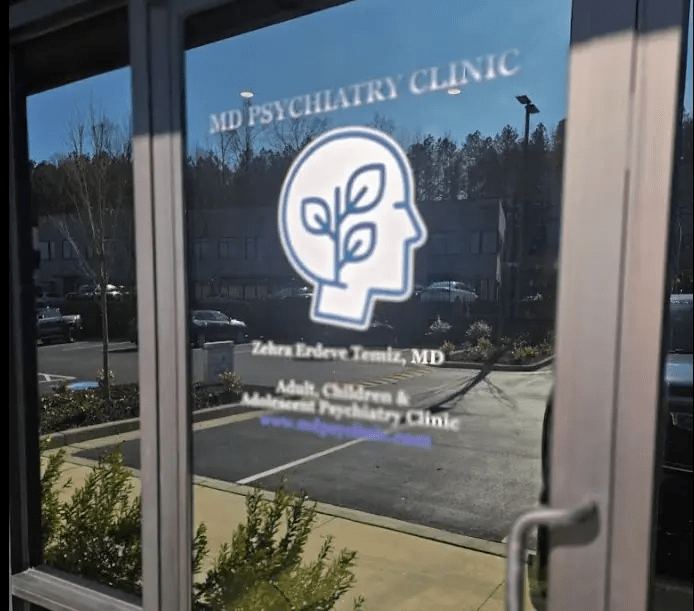
At MD Psychiatry Clinic, care is compassionate and evidence-based. We serve patients across Georgia, including Alpharetta and surrounding communities near North Point Mall and Avalon.
Our Approach to Adult Autism Evaluation in Georgia
We provide:
- Comprehensive psychiatric evaluations
- Adult autism assessments based on established clinical criteria
- Personalized treatment planning when support is needed
- Evaluation of related conditions such as ADHD, anxiety, or depression
- Referrals for therapy or supportive services when appropriate
- Telepsychiatry appointments available across Georgia
Our psychiatric providers follow established guidelines used in mental health diagnosis and evaluation. Care focuses on clear answers, practical support, and long-term wellbeing.
Ready to Start an Adult Autism Evaluation in Georgia?
If life long patterns of social difficulty, sensory sensitivity, or routine-based behavior have affected your work, relationships, or daily comfort, professional evaluation may help provide clarity.
You can schedule an appointment to connect with a licensed psychiatric provider and choose a time that works for you. If you have questions about autism evaluations, mental health concerns, or telehealth appointments, the team is available to help guide you.
📞 Call: 770-680-2302
📧 Email: hello@mdpsychclinic.com
Hours:
Monday–Friday, 8:00 AM – 5:00 PM
Location:
3235 North Point Parkway, Suite 203
Alpharetta, GA 30005
The office is conveniently located near North Point Mall and easily accessible from GA-400.
Both in-person and secure virtual appointments are available for adults across Georgia.
Frequently Asked Questions
Can adults really be diagnosed with autism?
Yes. Many adults receive autism diagnoses later in life after recognizing long-standing patterns of behavior and communication.
How long does an adult autism evaluation take?
Evaluations usually involve one or more appointments. The process may take several hours depending on the assessments used.
Do psychiatrists diagnose autism?
Yes. Psychiatrists can diagnose autism and also evaluate related mental health conditions.
Is autism diagnosis covered by insurance?
Some insurance plans cover mental health evaluations. Coverage depends on the provider and the specific insurance policy.
What happens after an autism diagnosis?
After diagnosis, clinicians may recommend therapy, coping strategies, or support services to improve daily functioning and wellbeing.