
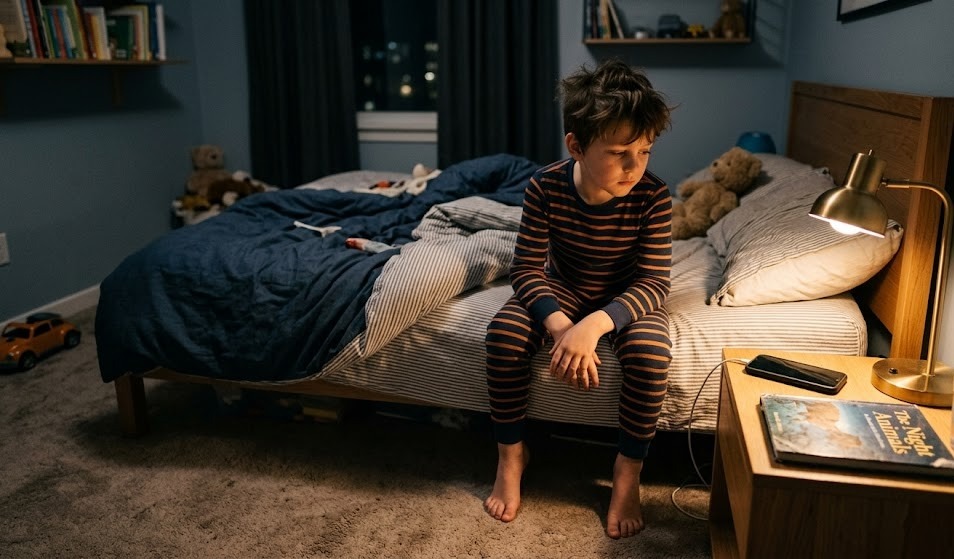

Parenting a child with both ADHD and autism can feel overwhelming at times. You may notice your child struggling with focus, emotions, routines, or social situations all at once. What works one day may not work the next, which can leave parents feeling unsure and exhausted.
The good news is that with the right strategies, structure, and support, children with ADHD and autism can thrive. Small, consistent changes at home can make daily life calmer, more predictable, and more positive for both you and your child.
Understanding ADHD and Autism Together
ADHD and autism often overlap, but they affect children in different ways. When both are present, parenting requires a balanced approach that supports attention, behavior, and sensory needs.
- ADHD may lead to:
- Impulsivity
- Difficulty focusing
- High energy levels
- Autism may involve:
- Social communication challenges
- Strong need for routine
- Sensory sensitivities
When combined, a child may want structure but struggle to follow it. This is why flexible, consistent parenting becomes essential.
Core Parenting Principles That Work

Children with ADHD and autism respond best to structure and clarity. Predictability helps reduce anxiety and improves cooperation.
Focus on these key principles:
- Consistency: Keep rules and responses the same every day
- Clear expectations: Use simple, direct instructions
- Positive reinforcement: Reward effort, not just results
- Patience: Progress may be slow but meaningful
Parents often benefit from structured guidance like ADHD support strategies that focus on behavior and emotional regulation together.
Daily Practical Strategies for Home
Simple daily adjustments can make a big difference. The goal is to reduce overwhelm and increase predictability.
Build a Structured Routine
Children feel safer when they know what comes next.
- Use visual schedules with pictures or charts
- Keep wake-up, meals, and bedtime consistent
- Prepare your child before transitions
Break Tasks into Small Steps
Large tasks can feel overwhelming.
- Give one instruction at a time
- Use short, clear sentences
- Offer gentle reminders when needed
Use Positive Reinforcement
Encouragement works better than punishment.
- Praise specific behaviors: “You cleaned up your toys”
- Use reward charts or tokens
- Celebrate small wins daily
These approaches are often combined with therapies used in autism care programs to improve consistency at home.
Managing Challenging Behaviors

Behavior challenges are common but manageable with the right approach. Understanding the cause helps guide your response.
Meltdowns vs Impulsivity
| Behavior Type | What It Looks Like | How to Respond |
| Meltdown (Autism) | Overwhelm, crying, shutdown | Reduce noise, give space, stay calm |
| Impulsivity (ADHD) | Interrupting, acting quickly | Redirect, repeat instructions clearly |
Practical Tips
- Stay calm and avoid raising your voice
- Use simple language during stressful moments
- Identify triggers like noise, hunger, or fatigue
Over time, children learn better coping skills when parents respond consistently.
Supporting Learning and Social Skills
Children with ADHD and autism may struggle in school and social settings. With support, they can build confidence and independence.
At Home
- Create a quiet, distraction-free study space
- Use timers to improve focus
- Keep instructions short and structured
Social Development
- Practice social situations through role play
- Teach turn-taking and listening skills
- Encourage small, supervised interactions
Some families also benefit from professional guidance such as psychiatric ADHD care to support both academic and emotional development.
Sensory Needs and Emotional Regulation
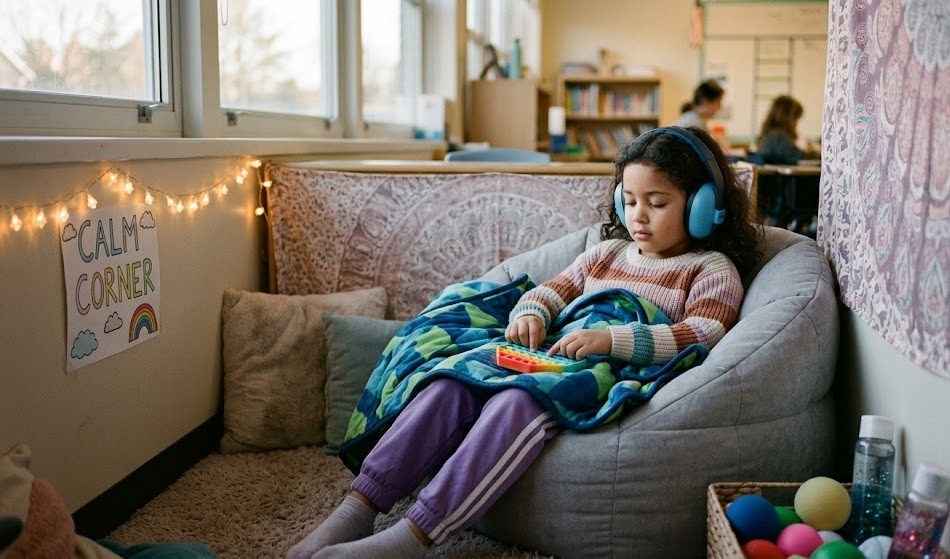
Sensory sensitivity is common in children with autism and can affect behavior and mood. Managing the environment helps prevent overwhelm.
Common Sensory Triggers
- Loud sounds
- Bright lights
- Certain textures
Helpful Strategies
- Create a quiet, safe space at home
- Use calming tools like weighted blankets or soft lighting
- Allow breaks when your child feels overwhelmed
Teaching emotional awareness also helps children express feelings instead of acting out.
Parent Mental Health and Burnout Prevention
Caring for a child with complex needs can be demanding. Your well-being matters just as much as your child’s.
Signs of Burnout
- Constant fatigue
- Feeling overwhelmed
- Irritability or stress
Ways to Support Yourself
- Take short breaks when possible
- Ask for help from family or professionals
- Connect with support groups
Access to services like mental health support options can provide guidance and relief for families managing long-term challenges.
When to Seek Professional Help

Some challenges require professional support. Early intervention can improve long-term outcomes.
Consider Help If You Notice:
- Frequent meltdowns or aggressive behavior
- Severe difficulty in school
- Delayed communication or social skills
- High stress within the family
Professional care may include therapy, behavioral support, or structured treatment plans tailored to your child’s needs.
How MD Psych Clinic Supports Children with ADHD and Autism
MD Psych Clinic provides compassionate, structured care for children and families navigating ADHD and autism. Located in Alpharetta, near North Point Mall, the clinic offers accessible support for families across Georgia.
Services include:
- Comprehensive diagnostic evaluations
- Personalized treatment plans for ADHD and autism
- Parent training and behavioral guidance
- Ongoing therapy and progress monitoring
Families also benefit from flexible care options, including in-person visits and virtual support when needed, similar to services used in telepsychiatry care.
Contact Information:
MD Psychiatry Clinic
📍 3235 North Point Parkway, Suite 203
Alpharetta, GA 30005
📞 Call: 770-680-2302
📧 Email: hello@mdpsychclinic.com
🕒 Hours: Monday–Friday, 8:00 AM – 5:00 PM
Early support can make a meaningful difference. With the right guidance, children can build skills, confidence, and a more balanced daily life.