


Depression can quietly change how a person thinks, feels, and moves through daily life. Simple tasks may feel heavy, and joy can seem distant. Yet recovery is possible with the right care and clear direction.
Treatment works best when there are defined goals. These goals guide both the patient and clinician toward steady improvement. They also bring hope, structure, and measurable progress during a difficult time.
Key Takeaways:
- Treatment goals for depression focus on symptom reduction, functional recovery, relapse prevention, and improved quality of life.
- Effective care combines therapy, medication, and lifestyle changes tailored to individual needs and severity.
- Progress is measured through symptom improvement, daily functioning, and patient feedback using tools like PHQ-9.
- Personalized, goal-oriented treatment increases engagement, supports long-term recovery, and reduces risk of recurrence.
Understanding Depression and Why Treatment Goals Matter

Depression is more than feeling sad for a few days. It affects mood, energy, sleep, focus, and relationships. Without proper care, it can impact every area of life.
Clear treatment goals help break recovery into manageable steps. They allow progress to be tracked and adjusted over time. Many individuals seeking support through adult mental health care benefit from this structured approach.
What Are the Main Treatment Goals for Depression?
The main treatment goals for depression focus on improving symptoms, restoring daily functioning, and preventing future episodes. These goals are both practical and personal.
Core Treatment Goals at a Glance
| Goal | What It Means |
| Symptom Reduction | Decreasing sadness, fatigue, and negative thoughts |
| Functional Recovery | Returning to normal daily activities |
| Emotional Stability | Managing mood and stress effectively |
| Relapse Prevention | Reducing risk of future depressive episodes |
| Quality of Life | Restoring enjoyment and purpose |
1. Reducing Core Symptoms
The first goal is to ease the most distressing symptoms. These may include:
- Persistent sadness
- Low energy
- Sleep problems
- Loss of interest in activities
Treatment plans outlined in depression care plans often begin with stabilizing these symptoms. As symptoms improve, daily life becomes more manageable.
2. Restoring Daily Functioning
Depression often disrupts routines and responsibilities. Many people struggle with work, school, or relationships.
Treatment focuses on helping individuals:
- Return to daily tasks
- Improve concentration
- Rebuild social connections
This stage is essential for regaining independence and confidence.
3. Preventing Relapse and Recurrence
Depression can return if not carefully managed. Preventing relapse is a key long-term goal.
This includes:
- Ongoing therapy or medication
- Recognizing early warning signs
- Building coping strategies
Understanding recovery progress patterns helps individuals stay prepared and maintain stability.
4. Improving Emotional Regulation
Depression can make emotions feel overwhelming or numb. Learning to manage emotions is an important part of healing.
Treatment may help individuals:
- Handle stress more effectively
- Reduce emotional triggers
- Develop healthier thinking patterns
This creates a stronger emotional foundation for long-term well-being.
5. Enhancing Quality of Life
Recovery is not just about reducing symptoms. It is also about restoring meaning and enjoyment.
This goal focuses on:
- Reconnecting with hobbies
- Improving relationships
- Finding purpose and motivation
Over time, individuals begin to feel more engaged with life again.
6. Addressing Co-occurring Conditions
Depression often occurs alongside other conditions such as anxiety or substance use. Treating these together improves overall outcomes.
Many patients benefit from integrated care that also addresses related anxiety conditions. This ensures a more complete and lasting recovery.
Short-Term vs Long-Term Treatment Goals for Depression
Recovery from depression happens in stages. Some goals focus on immediate relief, while others support lasting stability and growth. Understanding both helps create a balanced and realistic treatment plan.
| Short-Term Goals | What It Focuses On | Long-Term Goals | What It Focuses On |
| Stabilizing mood | Reducing intense sadness and emotional distress | Sustained recovery | Maintaining stable mental health over time |
| Improving sleep | Restoring healthy sleep patterns | Relapse prevention | Reducing the risk of future depressive episodes |
| Increasing energy | Helping with fatigue and motivation | Emotional resilience | Managing stress and emotional triggers effectively |
| Reducing negative thoughts | Challenging harmful thinking patterns | Healthy coping skills | Building long-term strategies for life challenges |
| Restoring daily routine | Returning to work, school, or responsibilities | Improved quality of life | Reconnecting with purpose, relationships, and activities |
Short-term goals help individuals feel better quickly and regain basic functioning. Long-term goals build on that progress and focus on maintaining well-being and preventing setbacks. Both are essential for a complete recovery journey.
How Treatment Goals Are Personalized

No two people experience depression in the same way. Treatment goals are tailored to each individual’s needs.
Factors that shape treatment goals include:
- Severity of symptoms
- Personal history
- Lifestyle and responsibilities
- Support systems
A personalized plan created through professional psychiatric care ensures that treatment remains relevant and effective.
Common Treatment Approaches Used to Achieve These Goals
Different treatments help achieve different goals. Often, a combination of approaches works best.
Psychotherapy
Talk therapy helps individuals understand thoughts and behaviors. Common methods include:
- Cognitive Behavioral Therapy (CBT)
- Interpersonal Therapy
Therapy builds coping skills and supports emotional growth.
Medication Management
Medications can help balance brain chemistry. They are often used when symptoms are moderate to severe.
A qualified provider, such as Dr. Zehra Erdeve Temiz, a board-certified psychiatrist in adult and child psychiatry, carefully evaluates each patient’s needs and adjusts medications to ensure safe, effective, and personalized treatment.
Lifestyle and Behavioral Changes
Small daily habits can make a big difference. These include:
- Regular sleep schedules
- Physical activity
- Healthy eating
- Social engagement
These changes support both mental and physical health.
Advanced Treatment Options
For some individuals, additional treatments may be recommended. These can include specialized therapies when standard approaches are not enough.
Access to a range of mental health services ensures that care remains flexible and responsive.
How Progress Toward Treatment Goals Is Measured

Tracking progress helps ensure treatment is working. It also provides motivation and reassurance.
Common ways progress is measured:
- Symptom checklists like PHQ-9
- Daily functioning improvements
- Patient feedback
Regular evaluation allows adjustments when needed.
Challenges in Achieving Treatment Goals
Recovery is not always linear. Some challenges may arise along the way.
Common obstacles include:
- Delayed response to treatment
- Medication side effects
- Life stressors
- Stigma around mental health care
Recognizing these challenges early helps address them more effectively.
When Treatment Goals Need to Be Adjusted
Treatment plans should evolve as needs change. Adjustments may be needed if:
- Symptoms do not improve
- New stressors appear
- Side effects become difficult
Seeking timely guidance through psychiatric consultation signs ensures that care stays on track.
Benefits of Clear Treatment Goals in Depression Care
Having clear goals creates structure and direction. It also improves outcomes.
Key benefits include:
- Better engagement in treatment
- Faster symptom improvement
- Greater sense of control
- Long-term stability
Clear goals turn recovery into a step-by-step process rather than an overwhelming challenge.
How MD Psych Clinic Supports Adults with Depression Across Georgia
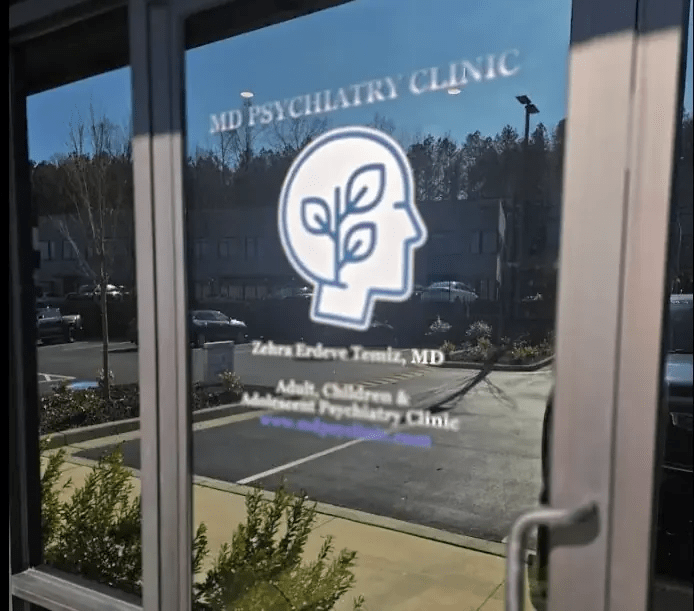
At MD Psych Clinic, care is compassionate, structured, and grounded in evidence-based psychiatry. We support adults across Georgia, including Alpharetta and surrounding communities near North Point Mall and Avalon.
If depression is affecting your energy, focus, or daily life, support is available. You can schedule an appointment and connect with a licensed psychiatric provider at a time that fits your routine.
If you have questions about treatment options, medications, or virtual visits, guidance is available to help you make informed decisions.
MD Psych Clinic
📞 Call: 770-680-2302
📧 Email: hello@mdpsychclinic.com
Hours:
Monday–Friday, 8:00 AM – 5:00 PM
Location:
3235 North Point Parkway, Suite 203
Alpharetta, GA 30005
The office is conveniently located near North Point Mall with easy access from GA-400. Both in-person and secure virtual appointments are available for patients across Georgia.
Frequently Asked Questions
What is the primary goal of depression treatment?
The main goal is to reduce symptoms and restore normal functioning while improving overall quality of life.
How long does it take to achieve treatment goals?
This varies by individual. Some improvements may appear within weeks, while long-term recovery may take several months.
Can depression be fully treated?
Many people achieve full recovery or long-term remission with proper care and ongoing support.