

Living with obsessive thoughts or repetitive behaviors can feel exhausting. These patterns can take over your day and create stress that is hard to explain to others. Many people try to manage symptoms quietly, hoping they will go away on their own.
The right support can make a meaningful difference. Working with an experienced OCD therapist helps you understand your thoughts and learn how to respond in healthier ways. With the right guidance, recovery becomes more manageable and hopeful.
Understanding OCD and Why Specialized Treatment Matters
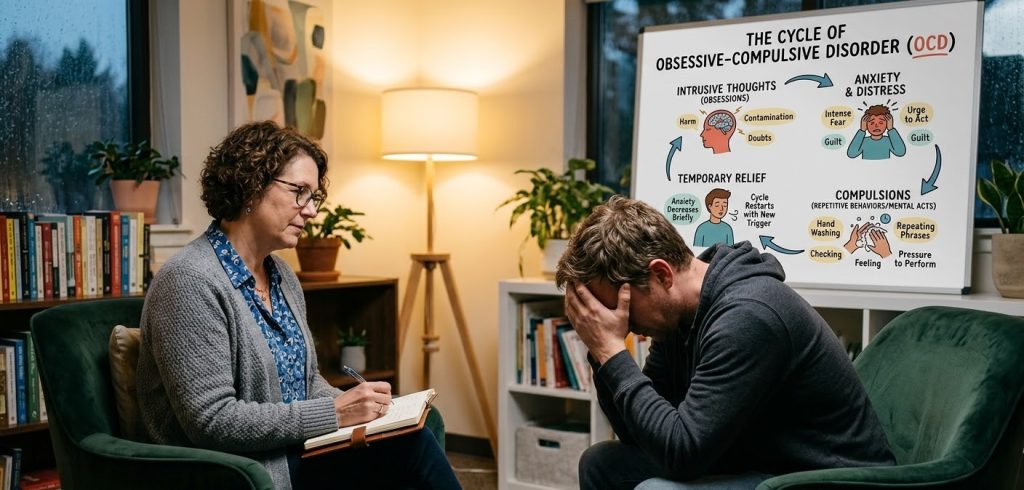
Obsessive-Compulsive Disorder (OCD) involves unwanted thoughts and repeated behaviors that feel difficult to control. These patterns are not simply habits. They are driven by anxiety and the need to reduce discomfort.
Common Signs of OCD
- Intrusive or distressing thoughts
- Repetitive actions like checking, cleaning, or counting
- Feeling temporary relief after completing rituals
- Difficulty stopping behaviors even when they disrupt life
Many individuals begin recognizing patterns through this overview of OCD condition basics, which explains how symptoms may appear differently in each person.
Why Specialized Treatment Matters
OCD responds best to structured, evidence-based approaches. General therapy may offer support, but it often does not address the cycle of obsessions and compulsions directly. Specialized treatment focuses on breaking that cycle step by step.
What to Look for in an OCD Therapist in Alpharetta, GA

Choosing the right therapist is an important step toward recovery. A good match provides both expertise and a sense of comfort during treatment.
Key Factors to Consider
| Factor | Why It Matters |
| OCD-specific experience | Ensures deeper understanding of symptoms |
| ERP training | Most effective method for OCD treatment |
| Clear treatment plan | Helps track progress over time |
| Supportive communication | Builds trust and consistency |
Practical Considerations
- Flexible scheduling options
- Availability of in-person and telehealth sessions
- Transparent approach to treatment goals
- Willingness to adjust plans based on progress
People often begin seeking help after noticing changes described in when to seek help, especially when symptoms start affecting daily routines.
Evidence-Based OCD Treatment Options
OCD treatment focuses on changing how you respond to thoughts rather than trying to eliminate them completely. The goal is to reduce anxiety and regain control.
Main Treatment Approaches
Exposure and Response Prevention (ERP)
- Gradual exposure to triggers
- Learning to resist compulsive actions
- Builds tolerance to discomfort over time
Cognitive Behavioral Therapy (CBT)
- Identifies unhelpful thought patterns
- Teaches healthier ways to respond
- Supports long-term coping strategies
Medication Support
- Often includes SSRIs
- Helps reduce intensity of symptoms
- Used when therapy alone is not enough
Many structured approaches combine therapy and medication when needed, helping reduce symptoms while building long-term coping skills. These methods are commonly used in OCD treatment plans that focus on both immediate relief and lasting progress. Treatment is often adjusted over time through individualized OCD care, ensuring it fits each person’s specific symptoms, triggers, and goals.
Questions to Ask Before Choosing an OCD Therapist

Asking questions helps you understand whether a therapist is the right fit. It also gives clarity about how treatment will work.
Important Questions
- What experience do you have treating OCD?
- Do you use ERP therapy regularly?
- How is progress measured during treatment?
- What does a typical session involve?
- Are virtual sessions available if needed?
Clear answers can help you feel more confident and prepared for the process.
Signs You’ve Found the Right OCD Therapist
A strong therapist relationship should feel structured and supportive. Progress may be gradual, but it should be noticeable over time.
Positive Indicators
- You feel comfortable sharing openly
- Sessions follow a clear and consistent plan
- You learn practical tools to manage symptoms
- Progress is reviewed regularly
Small improvements often lead to meaningful long-term change when treatment is consistent.
OCD Treatment Alpharetta GA: Local Considerations
Choosing a local provider can make treatment easier to maintain. Accessibility and convenience often play a big role in staying consistent with care.
What to Consider
- Office location and ease of travel
- Flexible appointment availability
- Insurance and payment options
- Access to specialized OCD care
For those with busy schedules, can explore options like online anxiety care can provide flexibility without interrupting progress.
The Importance of Early Intervention for OCD
Starting treatment early can prevent symptoms from becoming more intense over time. Many people wait longer than needed, which can make patterns harder to change.
Benefits of Early Support
- Faster improvement in symptoms
- Better long-term outcomes
- Reduced impact on daily life
- Improved emotional well-being
OCD can sometimes overlap with other mental health challenges. In such cases, care approaches may connect with strategies used in PTSD treatment support, especially when anxiety patterns are linked.
How MD Psych Clinic Supports Adults Across Georgia
At MD Psychiatry Clinic, care is compassionate and evidence-based. We support adults across Georgia, including Alpharetta and nearby communities around North Point Mall and Avalon.
We understand that OCD can look different from person to person. That is why care is shaped around your symptoms, treatment history, daily stress, and long-term goals.
The focus is on steady progress, practical support, and lasting improvement.
At MD Psychiatry Clinic, we provide:
- Comprehensive psychiatric evaluations
- Medication management tailored to your needs
- Monitoring for side effects and progress
- Referrals for ERP therapy when appropriate
- Telepsychiatry appointments statewide
We follow guidance from leading psychiatric and mental health organizations. We focus on measurable improvement, symptom relief, and long-term stability.
If intrusive thoughts or repeated behaviors are affecting your focus, relationships, or daily peace of mind, professional support is available. You can schedule an appointment to connect with a licensed psychiatric provider and choose a time that works for you.
If you have questions about OCD treatment options, medication management, or virtual visits, the team can help guide you.
MD Psychiatry Clinic
📞 Call: 770-680-2302
📧 Email: hello@mdpsychclinic.com
Hours:
Monday–Friday, 8:00 AM – 5:00 PM
Location:
3235 North Point Parkway, Suite 203
Alpharetta, GA 30005
The office is conveniently located near North Point Mall and easily accessible from GA-400. Both in-person and secure virtual appointments are available for patients across Georgia