
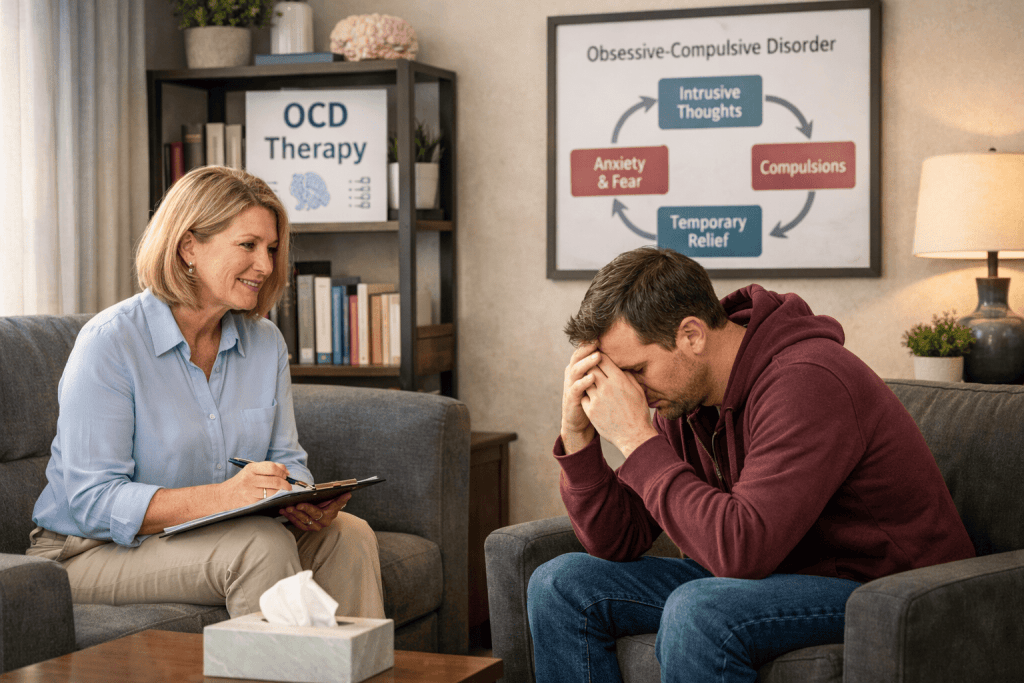

Living with OCD can feel exhausting. The thoughts can be loud, the rituals can take over your time, and even simple tasks can start to feel heavy. Many adults try to push through it alone for years, but lasting relief usually begins when treatment fits the person, not just the diagnosis.
That is why personalized OCD therapy matters. Two people can both have OCD and still need very different care. One person may struggle with contamination fears, while another hides distressing thoughts and mental rituals. Real progress often happens when treatment matches the symptoms, daily stress, health history, and goals that shape each person’s life.
What OCD Can Look Like in Adults
OCD is more than liking things neat or organized. It involves unwanted thoughts, fears, or urges that create distress. These are called obsessions. In response, a person may repeat actions or mental routines to feel safer or calmer. These are called compulsions.
For many adults, OCD does not stay in one part of life. It can affect work, relationships, sleep, parenting, concentration, and peace of mind. Some symptoms are easy to notice, but others stay hidden for a long time.
Common adult OCD patterns include:
- Fear of germs, illness, or contamination
- Repeated checking of locks, stoves, messages, or mistakes
- Intrusive thoughts about harm, religion, sex, or morality
- A need for symmetry, exactness, or things feeling “just right”
- Silent rituals like counting, reviewing, or repeating words in the mind
- Reassurance seeking from partners, friends, or family
Adults often try to manage these symptoms quietly. Over time, that can increase shame, avoidance, and burnout.
Why One-Size-Fits-All Treatment Often Falls Short

OCD does not affect every person in the same way. The symptoms may look different, the triggers may be different, and the level of daily impairment may be very different too.
A treatment plan that helps one adult may not help another. Someone with hidden mental rituals may need a different approach than someone whose symptoms involve visible cleaning or checking. A person with OCD and depression may also need different support than a person with OCD alone.
Generic care often misses important factors such as:
- The exact type of obsessions and compulsions
- How severe the symptoms are
- How much time rituals take each day
- Whether sleep, work, or relationships are affected
- Whether anxiety, depression, trauma, or ADHD are also present
- Whether the person has tried therapy or medication before
Personalized care looks at the full picture first. That is what makes long-term relief more realistic.
What Personalized OCD Therapy for Adults Really Means
Personalized OCD therapy for adults means the treatment plan is built around the person’s symptoms, needs, and progress. It is not based on a template. It is based on careful evaluation and steady follow-up.
That plan may include therapy, medication management, or both. It may also include changes over time as symptoms improve or new stressors appear. For many adults, this kind of flexibility makes treatment feel more practical and more hopeful.
A personalized plan usually starts with:
- A full psychiatric evaluation
- A clear understanding of obsessions and compulsions
- Review of past treatment and medication history
- Screening for related concerns like anxiety, depression, PTSD, or sleep problems
- A discussion about goals, daily functioning, and preferences
The Main Parts of a Personalized OCD Treatment Plan

Most adults benefit when care is clear, structured, and realistic. Personalized treatment does not mean doing everything at once. It means choosing the right tools in the right way.
Exposure and Response Prevention (ERP)
ERP is one of the most effective therapy approaches for OCD. It helps a person face triggers gradually without following the usual ritual. Over time, this can weaken the cycle between obsession and compulsion.
Supportive Cognitive Strategies
Many adults also benefit from simple strategies that help them notice unhelpful thought patterns, reduce reassurance seeking, and tolerate uncertainty more effectively.
Medication Management
Some adults do well with therapy alone. Others need medication to lower symptom intensity and make therapy easier to engage in. The right medication plan should always be personalized.
How Treatment Changes Based on OCD Type
The best OCD care takes symptom pattern seriously. That matters because different forms of OCD create different fears, rituals, and barriers to recovery.
| OCD Pattern | Common Fear | Common Compulsion | Treatment Focus |
| Contamination OCD | Germs, illness, dirt | Washing, cleaning, avoiding | Gradual exposure and reducing avoidance |
| Checking OCD | Harm, mistakes, danger | Rechecking locks or appliances | Limiting repeated checking |
| Harm OCD | Fear of hurting others | Mental review, avoidance, confession | Reducing guilt and thought-action fear |
| Scrupulosity | Sin, moral failure | Repeating prayers, confessing | Tolerating uncertainty and guilt |
| “Just right” OCD | Discomfort, incompleteness | Arranging, repeating, counting | Accepting imperfection |
| Mental ritual OCD | Disturbing thoughts | Silent counting, reviewing | Reducing hidden rituals |
This is one reason personalized OCD therapy for adults is so important. The same label can hide very different experiences.
Why Adult OCD Often Needs More Than Symptom Control

Adults usually carry more than symptoms alone. They may also carry responsibilities, deadlines, family stress, and years of trying to look okay on the outside.
That is why good OCD treatment should not only aim to reduce rituals. It should also help restore daily life. Long-term relief often means being able to work with less fear, sleep with less mental noise, and spend time with family without constant checking or avoidance.
Important areas to assess include:
- Work performance and missed deadlines
- Relationship strain and reassurance cycles
- Parenting stress
- Trouble sleeping or unwinding
- Avoiding errands, travel, or social events
- Depression, hopelessness, or emotional exhaustion
Adults with OCD may also have overlapping concerns like trauma or anxiety. In some cases, those concerns need attention at the same time for treatment to work well. That is one reason support from an adult psychiatry team can make the care plan more complete.
What a Personalized OCD Evaluation Should Cover
A strong evaluation does more than confirm the diagnosis. It helps uncover what is driving the symptoms and what may be getting in the way of improvement.
A thoughtful evaluation often covers:
- When symptoms started
- Which thoughts feel most distressing
- Which rituals happen openly and which stay hidden
- How many hours OCD takes each day
- Whether symptoms affect work, school, or relationships
- Whether there is anxiety, depression, trauma, or poor sleep
- What past therapy or medication did or did not help
This kind of assessment helps avoid vague treatment. It gives the provider a clearer path forward.
People who are unsure whether their symptoms need psychiatric care often recognize the pattern in common warning signs, such as worsening anxiety, loss of daily function, or symptoms that no longer feel manageable.
Signs You May Need Personalized OCD Therapy Now
Many adults wait until OCD becomes overwhelming. They hope the thoughts will settle, or they try to manage the rituals by hiding them. That delay can make symptoms harder to untangle.
It may be time to seek care if:
- You spend more than an hour a day on rituals
- Intrusive thoughts feel harder to control
- You avoid people, places, or tasks because of fear
- Work or home life is suffering
- You ask for constant reassurance
- You feel trapped by guilt, doubt, or repeated checking
- You are feeling depressed, hopeless, or mentally drained
When symptoms start shaping your day, professional support becomes more than helpful. It becomes important.
Therapy Alone, Medication Alone, or Both?
There is no single answer that fits every adult. Some people do very well with therapy alone. Others need medication to lower the volume of OCD enough to fully engage in therapy.
A personalized plan may lean toward combined care when:
- Symptoms are severe
- OCD has lasted for years
- Depression or intense anxiety is also present
- The person feels too distressed to start ERP comfortably
- Past treatment only helped part of the problem
For adults with overlapping conditions, a psychiatrist may also look at how trauma, sleep problems, or panic symptoms affect progress.
In some cases, care for OCD works better when related concerns are addressed alongside it, much like how trauma-focused psychiatric care can support recovery when symptoms overlap.
Personalized OCD Therapy and Telehealth

For many adults, access affects consistency. If care is hard to reach, long drives, work schedules, childcare demands, and traffic can make follow-up harder.
That is why telehealth can be part of a personalized plan. Virtual psychiatric follow-up may help adults stay consistent with treatment, especially when medication management, symptom review, and ongoing support are needed.
Telepsychiatry can be especially helpful for adults who:
- Have demanding work hours
- Feel overwhelmed leaving home
- Live outside major metro areas
- Need steady follow-up without added travel stress
- Prefer private care from home
For adults already seeking support for fear, worry, or panic, the same flexibility often matters when online anxiety appointments make care easier to fit into daily life.
Common Barriers That Personalized Care Can Help Solve
Many adults do not avoid treatment because they do not want help. They avoid it because they feel embarrassed, misunderstood, or afraid of being judged.
Personalized care helps by meeting those barriers directly. It can make treatment feel less overwhelming and more realistic.
Common barriers include:
- Shame about intrusive thoughts
- Fear that symptoms will be misunderstood
- Worry that treatment will be too intense
- Past care that felt too general
- Trouble making time for appointments
- Frustration after partial improvement
When treatment is tailored well, adults often feel more understood and more willing to stay engaged.
How MD Psych Clinic Supports Adults Across Georgia
At MD Psychiatry Clinic, care is compassionate and evidence-based. We support adults across Georgia, including Alpharetta and nearby communities around North Point Mall and Avalon.
We understand that OCD can look different from person to person. That is why care is shaped around your symptoms, treatment history, daily stress, and long-term goals.
The focus is on steady progress, practical support, and lasting improvement.
At MD Psychiatry Clinic, we provide:
- Comprehensive psychiatric evaluations
- Medication management tailored to your needs
- Monitoring for side effects and progress
- Referrals for ERP therapy when appropriate
- Telepsychiatry appointments statewide
We follow guidance from leading psychiatric and mental health organizations. We focus on measurable improvement, symptom relief, and long-term stability.
If intrusive thoughts or repeated behaviors are affecting your focus, relationships, or daily peace of mind, professional support is available. You can schedule an appointment to connect with a licensed psychiatric provider and choose a time that works for you.
If you have questions about OCD treatment options, medication management, or virtual visits, the team can help guide you.
MD Psychiatry Clinic
📞 Call: 770-680-2302
📧 Email: hello@mdpsychclinic.com
Hours:
Monday–Friday, 8:00 AM – 5:00 PM
Location:
3235 North Point Parkway, Suite 203
Alpharetta, GA 30005
The office is conveniently located near North Point Mall and easily accessible from GA-400. Both in-person and secure virtual appointments are available for patients across Georgia
FAQs
Is personalized OCD therapy better than standard therapy?
It is often more effective because it fits the person’s exact symptom pattern, daily stress, and treatment history. OCD becomes easier to treat when the plan is specific.
How long does OCD treatment take?
That depends on symptom severity, consistency, and whether other concerns are present. Some adults notice early changes within weeks, while others need longer support.
Can adults with hidden rituals still benefit from treatment?
Yes. Hidden rituals, mental reviewing, and silent reassurance patterns can still improve when they are identified clearly and treated directly.
What if I also have anxiety or depression?
That is common. A personalized plan should take those symptoms seriously instead of treating OCD in isolation.
Do I need medication?
Not everyone does. Medication may help when symptoms are severe, persistent, or making therapy harder to do.