


Living with OCD can feel draining. A thought gets stuck, anxiety rises, and a ritual may seem like the only way to feel calm again. Over time, that pattern can affect work, relationships, sleep, and daily confidence.
Many adults in Georgia wonder whether therapy or medication will help them feel better. Both can be effective. The best choice depends on how OCD shows up in your life, how severe your symptoms feel, and what kind of support fits you best.
For many people, the answer is not about choosing the “better” option in general. It is about finding the treatment plan that fits their needs and helps them move forward with steady, lasting progress.
Understanding OCD in Adults
OCD is a mental health condition that involves two connected parts: obsessions and compulsions. Obsessions are unwanted thoughts, images, or fears. Compulsions are the actions or mental rituals done to reduce distress.
For adults, OCD can look different from one person to another. Some people fear contamination. Others struggle with checking, guilt, intrusive thoughts, or a strong need for certainty. Many people also hide symptoms well, which can delay treatment.
Common signs of OCD include:
- Repeated checking of locks, appliances, or messages
- Fear of germs, illness, or contamination
- Intrusive thoughts that feel upsetting or shameful
- Mental rituals such as counting, reviewing, or repeating phrases
- Reassurance seeking from loved ones
- Avoiding places, tasks, or situations that trigger anxiety
These symptoms are not simply habits. They can take up a great deal of time and energy. Many adults notice how OCD symptoms can create a cycle of fear, temporary relief, and repetition.
Why OCD Treatment Should Be Personalized

OCD is highly treatable, but treatment works best when it matches the person, not just the diagnosis. Two adults may both have OCD, but their triggers, routines, stress levels, and goals may be completely different.
Personalized care matters because it can:
- Focus on your exact symptom pattern
- Match treatment to your comfort and pace
- Account for work, family, and lifestyle needs
- Address related concerns like anxiety, panic, or trauma
This is especially important for adults who have been managing symptoms for years. A more tailored approach often improves trust in treatment and makes it easier to stay consistent. That is why many adults look for custom OCD treatment that fits both symptoms and daily responsibilities.
What Is ERP Therapy?

Exposure and Response Prevention, or ERP, is the leading therapy approach for OCD. It helps people face feared thoughts or situations in a gradual, structured way without doing the compulsion that usually follows.
That process may sound uncomfortable at first, but it is done with support and planning. The goal is not to overwhelm you. The goal is to help your brain learn that anxiety can rise and fall without needing a ritual to make it stop.
How ERP Works
ERP usually involves:
- Identifying triggers and compulsions
- Building a step-by-step exposure plan
- Practicing tolerating discomfort without rituals
- Tracking progress over time
As treatment continues, many people notice that the fear loses strength. The thoughts may still appear, but they no longer control the day in the same way.
Why ERP Is Often the First Choice
ERP is widely used because it targets the cycle that keeps OCD going. Instead of only lowering stress in the moment, it helps reduce the power of obsessions and compulsions over time.
Benefits of ERP often include:
- Better control over rituals
- Less avoidance of daily situations
- Stronger coping skills
- More lasting progress after treatment ends
Adults who want lasting improvement often begin with OCD therapy in Georgia that focuses on both symptom relief and long-term coping skills.
What Medication Does for OCD
Medication can also help people with OCD, especially when symptoms are intense or when anxiety is making it hard to function. It is often prescribed by a psychiatrist as part of a larger treatment plan.
Many medications used for OCD belong to a group called SSRIs. These medicines can help reduce the intensity of obsessive thoughts and lower the anxiety that drives compulsive behavior.
Common medication options may include:
- Fluoxetine
- Sertraline
- Fluvoxamine
- Paroxetine
- Clomipramine in some cases
Medication does not teach behavioral skills the way ERP does. Still, it can make symptoms more manageable and help some people feel ready to engage more fully in therapy.
Benefits and Limits of Medication
For some adults, medication brings meaningful relief. It can reduce the volume of OCD symptoms and create more mental space to work, rest, and function.
Medication may be helpful when:
- OCD symptoms are moderate to severe
- Anxiety feels constant or overwhelming
- Depression is also present
- Therapy alone has not been enough
At the same time, medication has limits. Symptoms may return if medication is stopped too quickly. Some people also deal with side effects or need time to find the right prescription and dose.
When medication is part of treatment, many adults also benefit from psychiatric care for adults that includes diagnosis, follow-up, and medication monitoring.
ERP Therapy vs Medication: The Main Differences
ERP and medication can both reduce OCD symptoms, but they do so in different ways. One changes your relationship with fear and rituals. The other helps reduce the intensity of symptoms through brain chemistry.
Here is a simple comparison:
| Treatment Factor | ERP Therapy | Medication |
| Main goal | Break the OCD cycle | Reduce symptom intensity |
| Builds coping skills | Yes | No |
| Long-term benefit | Often strong | Often depends on continued use |
| Side effects | Usually minimal | Possible |
| Requires active practice | Yes | Less directly |
| Can be combined | Yes | Yes |
ERP often appeals to adults who want practical skills they can carry into everyday life. Medication often helps adults who need symptom relief that makes therapy and daily functioning feel more possible.
Which Option Works Better Long Term?
For many adults with OCD, ERP tends to offer stronger long-term improvement because it helps retrain how the brain responds to fear. The work can be challenging, but the gains are often durable.
Medication can still play an important role. Some people improve significantly with it, especially when symptoms are severe. Others do best when medication lowers distress enough for ERP to become more effective.
In real life, treatment does not have to be an either-or decision. The most effective plan is the one that fits your symptoms, energy level, and treatment response.
When Combination Treatment Makes Sense
There are many situations where ERP and medication work well together. This is common when OCD has become deeply disruptive or when one treatment alone has only helped part of the problem.
Combination treatment may be a good fit when:
- Symptoms interfere with work or relationships
- Panic or anxiety feels too high to start ERP comfortably
- Previous therapy brought only partial relief
- Depression or other mental health concerns are also present
This kind of care can be especially helpful for adults who need both immediate symptom support and a path toward lasting change.
What Personalized OCD Therapy for Adults Looks Like
Personalized OCD therapy means the treatment plan is built around your specific symptoms and daily life. It does not treat every fear, trigger, or compulsion as though they are all the same.
A tailored treatment plan may include:
- A symptom map based on your triggers
- ERP exercises matched to your pace
- Support for related issues such as anxiety or trauma
- Medication management when appropriate
- In-person or virtual sessions based on access and schedule
For adults balancing work, caregiving, or long commutes, flexible care often matters just as much as clinical quality. That is one reason many people choose virtual mental health care that fits around work and family demands.
Choosing the Right Path for Your Situation
The best treatment choice depends on your symptoms, daily function, preferences, and history. What works well for one person may not be enough for another.
ERP may be a strong choice if:
- You want tools that create long-term change
- You are ready to practice between sessions
- Your symptoms feel manageable enough to face gradually
Medication may be a strong choice if:
- Anxiety feels too intense to manage day to day
- You need symptom relief sooner
- You have tried therapy before without enough progress
Both together may be best if:
- OCD has become severe
- Symptoms affect sleep, work, or relationships
- You want both relief and lasting skill development
Many adults weigh these options while looking for OCD support near Alpharetta that feels both specialized and practical.
Related Mental Health Concerns Can Affect Treatment
OCD does not always happen alone. Some adults also live with anxiety disorders, depression, trauma symptoms, or panic. These concerns can affect how OCD feels and which treatment plan makes the most sense.
For example, trauma symptoms may increase the need for careful pacing. In some cases, treatment planning also needs to account for overlapping concerns addressed in PTSD psychiatric care.
Looking at the full picture helps treatment feel more accurate and more supportive from the start.
What Treatment Can Look Like in Georgia

Adults seeking OCD treatment in Georgia often turn to MD Psych Clinic for care that feels both specialized and practical. Access matters. So does convenience. A plan that looks good on paper will not help much if it is too hard to continue.
Depending on your needs, treatment may include:
- Weekly ERP sessions
- Medication management visits
- Telehealth follow-up care
- A combined plan with therapy and psychiatry
Many people start with an evaluation, then build treatment step by step. Clinics that offer broader mental health services can make that process feel more connected and easier to manage.
How MD Psych Clinic Supports Adults Across Georgia
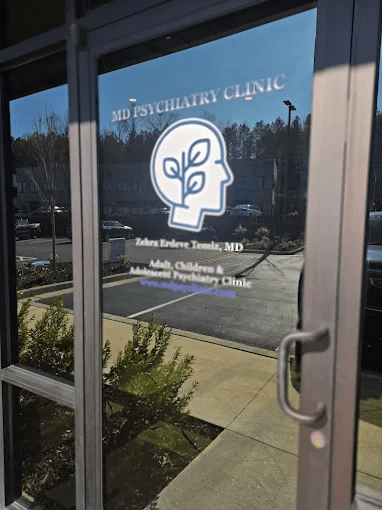
Adults with OCD often need care that is clear, practical, and tailored to real life. MD Psych Clinic provides treatment for adults across Georgia with a focus on personalized support, thoughtful evaluation, and evidence-based care.
The clinic is located in Alpharetta near North Point Parkway, a short drive from Avalon and North Point Mall, making it convenient for many patients in North Fulton and nearby communities.
MD Psychiatry Clinic
📞 Call: 770-680-2302
📧 Email: hello@mdpsychclinic.com
🕒 Hours: Monday–Friday, 8:00 AM – 5:00 PM
📍 Location: 3235 North Point Parkway, Suite 203, Alpharetta, GA 30005
FAQs
Is ERP better than medication for OCD?
ERP is often considered the strongest long-term treatment because it helps reduce compulsions and build coping skills. Medication can also help, especially when symptoms are more severe.
Can OCD improve without medication?
Yes. Many adults improve through ERP therapy alone. Medication is not required for everyone, though it can be helpful in some cases.
How long does ERP take to work?
Some people notice early progress within weeks, but meaningful improvement often builds over several months with steady practice.
Do I have to choose one or the other?
No. Many adults do best with a combination of ERP and medication, especially when symptoms are intense or long-standing.