


Suicidal thoughts can feel frightening, isolating, and deeply exhausting. Many adults in Georgia carry this pain quietly while still trying to work, care for family, and move through daily life. Even when nothing looks wrong from the outside, the inner struggle can be intense.
A psychiatrist can help by taking these thoughts seriously, understanding what may be driving them, and creating a plan for safety and treatment. Suicidal ideation is more common than many people realize. One widely cited medical source reports that 10.6 million adults in the United States, or 4.3% of the adult population, have experienced suicidal thoughts, and 18% of children have thought about attempting suicide.
If there is immediate danger, call 911 right away.
For urgent emotional support, call or text 988. In Georgia, people can also contact GCAL at 1-800-715-4225 for crisis help.
When Suicidal Thoughts Need Psychiatric Attention
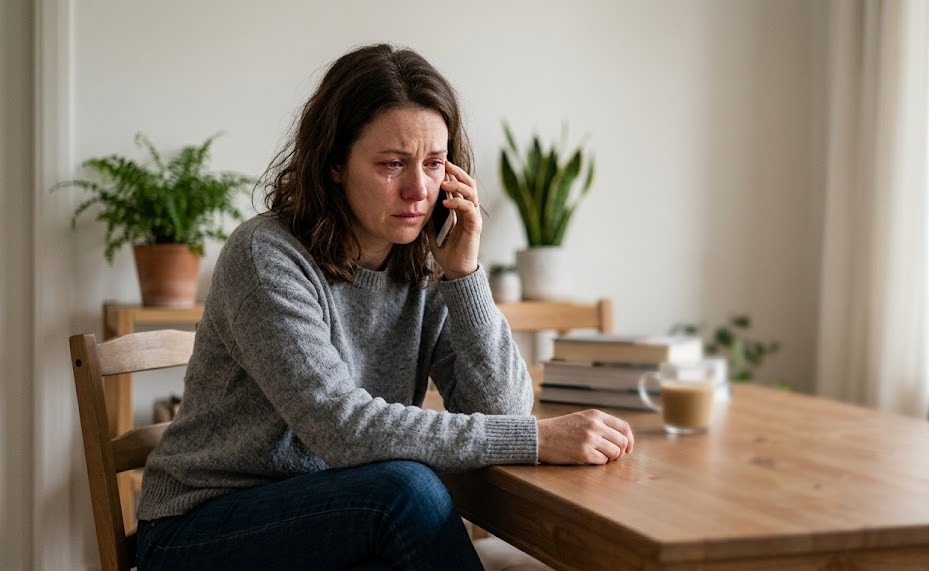
Suicidal thoughts should always be taken seriously, even if they feel vague, occasional, or hard to explain. A psychiatrist can assess safety, identify the mental health condition behind the distress, and decide what type of care is needed next.
These thoughts are often connected to depression, anxiety, trauma, burnout, grief, or emotional overwhelm. For many adults, getting help early can prevent symptoms from becoming more severe. Some people first notice the same patterns described in signs you may need psychiatric care, including worsening mood, daily stress, and trouble functioning.
A psychiatrist may help with:
- A full psychiatric evaluation
- Questions about mood, stress, trauma, and sleep
- A suicide risk assessment
- Diagnosis of related mental health conditions
- Medication management when appropriate
- A safety plan
- Referral to therapy, crisis care, or hospital care if needed
What Suicidal Thoughts Can Feel Like
Suicidal thoughts are not always dramatic or obvious. Some people have passing thoughts during a painful season. Others have recurring thoughts that grow stronger over time. These thoughts can involve wanting emotional pain to stop, feeling like a burden, or believing there is no way forward.
Some people may think:
- “I do not want to wake up tomorrow.”
- “Everyone would be better off without me.”
- “I cannot keep doing this.”
- “I just want the pain to stop.”
These thoughts may be passive or active. Both matter.
Passive Suicidal Thoughts
Passive suicidal thoughts may sound like wanting to disappear, not wake up, or no longer be here. A person may not have a plan to hurt themselves, but the thoughts still signal emotional suffering and deserve attention.
Active Suicidal Thoughts
Active suicidal thoughts involve stronger movement toward action. A person may think about methods, timing, or access to means. This raises the level of risk and often requires urgent help.
Warning Signs That Need Immediate Attention
Some signs suggest a higher level of danger and should never be ignored.
- Talking about wanting to die
- Looking for ways to self-harm
- Feeling hopeless or trapped
- Suddenly withdrawing from others
- Giving away important belongings
- Increased alcohol or drug use
- Severe mood swings
- Feeling unable to stay safe
When to See a Psychiatrist for Suicidal Thoughts in Georgia

Many people delay treatment because they think their pain is not serious enough. That delay can make symptoms harder to manage. It is appropriate to see a psychiatrist any time suicidal thoughts are present, even if the thoughts come and go.
You should seek psychiatric help if:
- Suicidal thoughts keep returning
- Depression or anxiety is getting worse
- You feel emotionally overwhelmed most days
- Sleep problems are making everything harder
- You feel numb, hopeless, or disconnected
- Stress is affecting work, relationships, or self-care
- You have a history of trauma or past self-harm
- You are using alcohol or substances to cope
For many adults, suicidal thoughts are tied to untreated depression. Understanding when depression symptoms need psychiatric attention can help people reach out before things become a crisis.
When to Call 988, GCAL, or 911
A psychiatrist can help, but not every situation should wait for a routine appointment. Some situations need immediate crisis care or emergency help.
| Situation | Best Next Step |
| Distressing thoughts but no current plan or intent | Schedule a psychiatric evaluation as soon as possible |
| Thoughts are getting stronger and you feel unsafe being alone | Call or text 988 or contact GCAL |
| You have a plan, intent, or cannot stay safe | Call 911 or go to the nearest emergency room |
It is important to know that someone does not have to wait for a worst-case moment before asking for help. Reaching out early can reduce risk and create a path toward treatment.
How a Psychiatrist Evaluates Suicidal Thoughts
A psychiatric evaluation is not about judgment. It is about understanding what is happening and deciding how to reduce risk while treating the underlying problem.
The psychiatrist may ask about:
- How long the thoughts have been present
- How often they happen
- Whether there is a plan or intent
- Past suicide attempts or self-harm
- Depression, anxiety, trauma, or panic symptoms
- Sleep, energy, appetite, and concentration
- Alcohol or substance use
- Family stress, grief, or relationship problems
- Medical issues and current medications
- Available support from family or trusted friends
These questions help the psychiatrist understand both the emotional pain and the level of danger. Honest answers matter. Sharing suicidal thoughts does not automatically mean hospitalization, but it does help the doctor decide what kind of care is safest.
Mental Health Conditions Often Linked to Suicidal Thoughts

Suicidal thoughts often appear alongside another mental health condition. Treating that condition is a major part of recovery.
Common related conditions include:
- Depression
- Anxiety disorders
- PTSD
- OCD
- Bipolar disorder
- Substance use issues
- Psychosis
- Sleep problems that worsen emotional stability
In many adults, hopelessness grows when symptoms go untreated for too long. Getting support for the main condition can lower distress and make daily life feel more manageable. Ongoing depression treatment in Georgia may be an important part of care when low mood and hopelessness are driving the thoughts.
Treatment Options a Psychiatrist May Recommend
Treatment depends on the person, the level of risk, and the mental health condition involved. There is no one-size-fits-all plan.
Psychiatric Evaluation and Diagnosis
The first step is understanding what is happening. Some people think they are simply weak or failing to cope, when there may be a treatable condition behind the pain.
Medication Management
Medication may help reduce severe depression, panic, mood instability, or obsessive thinking. A psychiatrist can explain options, watch for side effects, and make changes over time when needed.
Therapy Referral or Coordinated Care
Psychiatrists often work alongside therapists. Therapy can help patients process trauma, challenge hopeless thoughts, strengthen coping skills, and build safer daily routines.
Safety Planning
A safety plan is a practical tool for difficult moments. It may include warning signs, coping steps, trusted contacts, crisis numbers, and ways to reduce access to dangerous means.
Follow-Up Visits
Recovery is rarely immediate. Follow-up care helps track symptoms, adjust treatment, monitor safety, and support steady progress. Over time, many patients begin to notice what emotional recovery can look like as stability slowly improves.
Can Online Psychiatry Help Someone in Georgia?

For many adults, yes. Telepsychiatry can make it easier to speak with a psychiatrist from home, especially when work schedules, long drives, child care, or emotional exhaustion make in-person care harder.
Online psychiatry may help with:
- Initial evaluations in appropriate cases
- Medication management
- Follow-up care
- Ongoing treatment for depression, anxiety, PTSD, and related conditions
- Access to psychiatric support across Georgia
Still, virtual care is not the right level of support for every crisis. If someone has active suicidal intent, a plan, or cannot stay safe, crisis or emergency services are the safer choice.
What to Expect at the First Appointment
The first visit is a chance to be heard and taken seriously. Many adults worry they will be judged, rushed, or misunderstood. A thoughtful psychiatric visit should feel calm, structured, and focused on next steps.
During the appointment, the psychiatrist may discuss:
- Current symptoms
- Emotional triggers
- Past mental health treatment
- Medical history
- Current medications
- Sleep and appetite changes
- Work stress and relationship stress
- Trauma history
- Safety concerns
- Short-term and long-term treatment options
The goal is not only to label symptoms. The goal is to understand the source of the pain and create a realistic plan that supports safety and recovery.
Psychiatrist, Therapist, Crisis Line, or ER?
People often do not know where to turn first. The best choice depends on urgency.
| Support Option | Best For | What It Provides |
| Psychiatrist | Suicidal thoughts, depression, anxiety, medication needs | Diagnosis, risk assessment, treatment plan, medication management |
| Therapist | Ongoing emotional support and coping work | Talk therapy, coping skills, emotional processing |
| 988 / GCAL | Urgent distress or feeling unsafe | Immediate crisis counseling and guidance |
| Emergency Room / 911 | Imminent danger or active plan | Emergency protection and higher-level care |
For adults who are not in immediate danger but need structured help, adult mental health services can be an important next step.
Steps You Can Take Right Now
When suicidal thoughts are present, simple actions can lower immediate risk while support is being arranged.
- Tell one trusted person what is happening
- Do not stay isolated if you feel unsafe
- Remove or secure anything you could use to hurt yourself
- Avoid alcohol and unprescribed drugs
- Save 988 and GCAL in your phone
- Schedule a psychiatric appointment quickly
- Go to the ER or call 911 if danger feels immediate
These steps do not replace treatment. They help create a safer bridge toward treatment.
Hope and Recovery Are Possible
Suicidal thoughts do not mean someone is broken or beyond help. In many cases, they reflect intense emotional pain, not the truth about a person’s worth or future. With the right support, those thoughts can become less frequent, less intense, and more manageable.
Recovery may include fewer crisis moments, better sleep, improved mood stability, stronger coping skills, and a renewed ability to function and connect with other people. For many patients, progress becomes clearer when there are defined goals for mood recovery and regular follow-up to measure change over time.
How MD Psych Clinic Supports Patients with Suicidal Thoughts Across Georgia

MD Psych Clinic provides outpatient psychiatric care for adults in Georgia experiencing depression, anxiety, trauma-related symptoms, and other mental health concerns linked to suicidal thoughts.
Care includes psychiatric evaluation, medication management when appropriate, and follow-up treatment planning focused on safety and symptom improvement.
Located at 3235 North Point Parkway, Suite 203, Alpharetta, GA 30005, near North Point Mall and Avalon, the clinic is led by Dr. Zehra Erdeve Temiz.
📧 hello@mdpsychclinic.com
Monday–Friday, 8:00 AM – 5:00 PM
FAQs
1. What should I do during a panic attack?
Focus on slow breathing, grounding techniques, and reminding yourself the feeling will pass.
2. How do I know if I need treatment for panic attacks?
If attacks happen often or affect daily life, professional treatment may help.
3. Can a psychiatrist help with panic attacks?
Yes, psychiatrists can provide diagnosis, therapy guidance, and medication management.
4. Are panic attacks and anxiety the same thing?
No, panic attacks are sudden intense episodes, while anxiety is often ongoing worry.
5. Can OCD make panic attacks worse?
Yes, intrusive thoughts and compulsive behaviors can increase anxiety and trigger panic symptoms.