
Blog

PTSD vs. Anxiety: Symptoms, Triggers and Diagnostic Differences

Living with constant worry, poor sleep, or a sense that danger is always nearby can be exhausting. PTSD and anxiety can feel similar, but they do not develop in the same way and may require different types of care.  The World Health Organization reports that anxiety disorders affected 359 million people worldwide in 2021, making […]

PTSD vs. Anxiety: Symptoms, Triggers and Diagnostic Differences Read More »
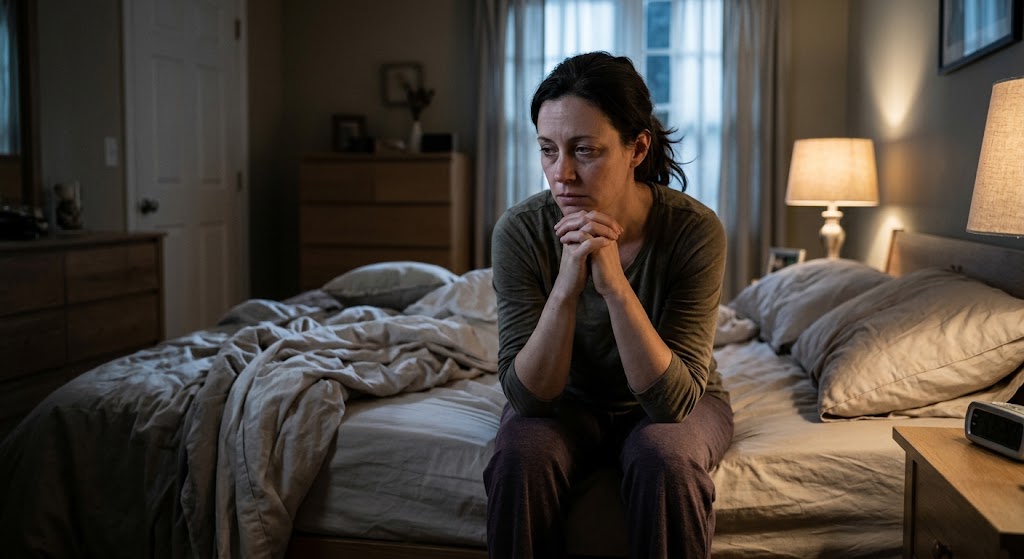
An exhausted adult sits awake on the edge of a rumpled bed at night, appearing tense and unsettled after a nightmare, illustrating PTSD-related insomnia and disrupted sleep.

PTSD and Sleep Problems: Why Trauma Causes Nightmares and Insomnia

Sleep should feel restorative. After trauma, however, bedtime can become the moment when fear, memories, and physical alertness feel strongest. VA research reports clinically significant insomnia in 92% of active-duty service members with PTSD, compared with 28% of those without PTSD. PTSD-related sleep problems are not a weakness. They reflect how the brain and nervous

PTSD and Sleep Problems: Why Trauma Causes Nightmares and Insomnia Read More »

ADHD in Teenagers: How Symptoms and Treatment Change During Adolescence

ADHD does not simply disappear when a child becomes a teenager. Symptoms often become less visible while academic, social, and emotional demands become more complex. The CDC estimates that 7 million U.S. children ages 3–17, or 11.7%, currently have an ADHD diagnosis, showing how many families are navigating these concerns. For parents, the key question

ADHD in Teenagers: How Symptoms and Treatment Change During Adolescence Read More »

An adult patient discussing progress with a doctor during a medication follow-up appointment in a modern, brightly lit clinic office.

What Happens at an ADHD Medication Follow-Up Visit?

Starting ADHD medication is not the end of treatment. Follow-up visits help your provider determine whether medication improves attention, organization, impulse control, and daily functioning without causing unacceptable side effects. The CDC estimates that 7 million U.S. children ages 3–17, or 11.7%, currently have an ADHD diagnosis based on 2024 survey data. A follow-up is

What Happens at an ADHD Medication Follow-Up Visit? Read More »

Adult ADHD Evaluation in Georgia

Adult ADHD Evaluation in Georgia: What to Expect and How to Prepare

If ongoing problems with focus, organization, forgetfulness, or impulsive decisions are affecting your work, relationships, or daily responsibilities, an adult ADHD evaluation may help you understand what is causing these difficulties. Many adults seek answers years after their symptoms first appeared. The CDC reported that 15.5 million U.S. adults had a current ADHD diagnosis in

Adult ADHD Evaluation in Georgia: What to Expect and How to Prepare Read More »

Grief Counseling for Seniors in Georgia: When Loss Becomes Depression or Anxiety

Grief Counseling for Seniors in Georgia: When Loss Becomes Depression or Anxiety

Losing a spouse, sibling, friend, home, health, independence, or familiar routine can bring sadness, fear, anger, numbness, and loneliness. These reactions may be part of natural grief. Closer attention is needed when emotional pain remains overwhelming, daily functioning declines, or symptoms begin to resemble depression or an anxiety disorder. The World Health Organization estimates that

Grief Counseling for Seniors in Georgia: When Loss Becomes Depression or Anxiety Read More »

Middle-aged woman sitting thoughtfully in a recently emptied bedroom with moving boxes and family photos, coping with empty nest syndrome in Georgia.

How to Cope With Empty Nest Syndrome in Georgia

When a child leaves home, pride and sadness can exist together. Your home may feel unusually quiet, your routine may lose structure, and your role as a parent may feel less clear. To cope with empty nest syndrome in Georgia, acknowledge the transition, rebuild routines, stay connected without becoming overinvolved, strengthen other relationships, and seek

How to Cope With Empty Nest Syndrome in Georgia Read More »

Patient speaking with a psychiatrist during a first psychiatric evaluation in a calm, private office.

Psychiatric Evaluation in Alpharetta, GA: What to Expect at Your First Appointment

Feeling nervous before a first psychiatric appointment is common. You may be unsure what questions will be asked, whether you will receive a diagnosis, or if medication will become part of the discussion. A psychiatric evaluation is a structured, confidential conversation about your symptoms, experiences, health history, and daily challenges. Its purpose is to understand

Psychiatric Evaluation in Alpharetta, GA: What to Expect at Your First Appointment Read More »

Parent and child meet with a psychiatric clinician in a bright office for a supportive ADHD evaluation and care planning.

Child ADHD Evaluation in Alpharetta, GA: Signs, Diagnosis & Next Steps for Parents

When a child struggles to focus, follow directions, control impulses, or manage schoolwork, parents may wonder whether ADHD is involved. These concerns can feel confusing, especially when behaviors change by setting, task, or day. The CDC estimates that about 7 million U.S. children ages 3–17 had a current ADHD diagnosis in 2024, representing 11.7% of

Child ADHD Evaluation in Alpharetta, GA: Signs, Diagnosis & Next Steps for Parents Read More »

Adults discuss autism and ADHD symptoms with a psychiatrist in a calm clinic setting during a professional mental health evaluation.

Autism vs ADHD in Adults: When to Get Evaluated

Autism and ADHD can look similar in adults, especially when symptoms have been missed for years. Both can affect focus, communication, emotions, routines, work, and relationships. The direct answer is this: autism is mainly related to social communication, sensory processing, and repetitive patterns. ADHD is mainly related to attention, impulsivity, emotional regulation, and executive function.

Autism vs ADHD in Adults: When to Get Evaluated Read More »